Great Nicobar Mega Project Faces ESG and Tribal Rights Scrutiny Amid India’s Maritime Expansion Plans
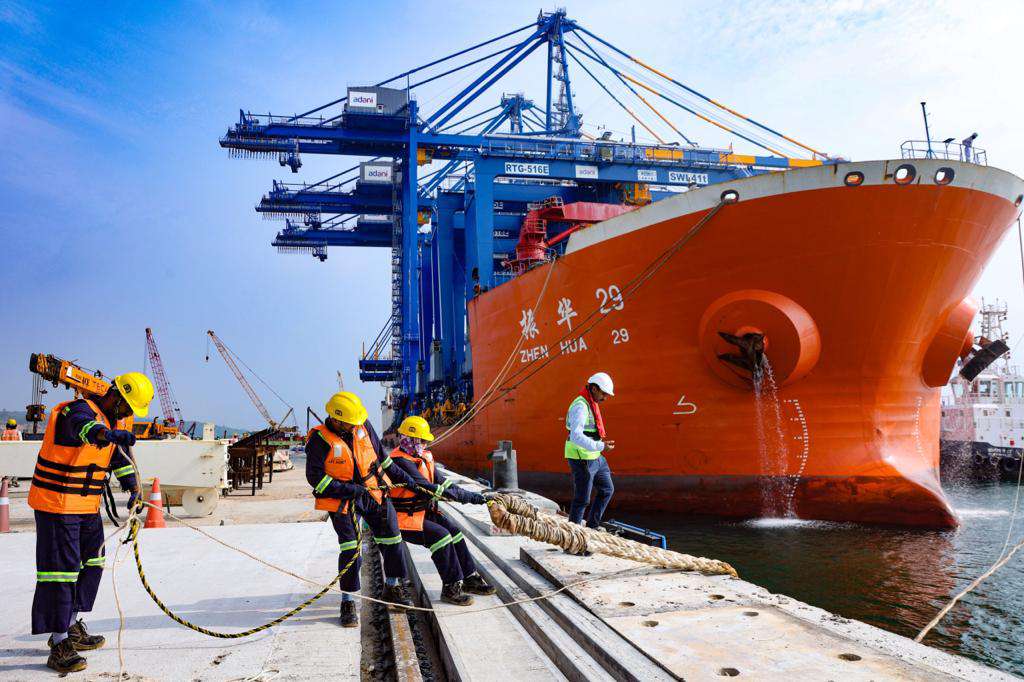
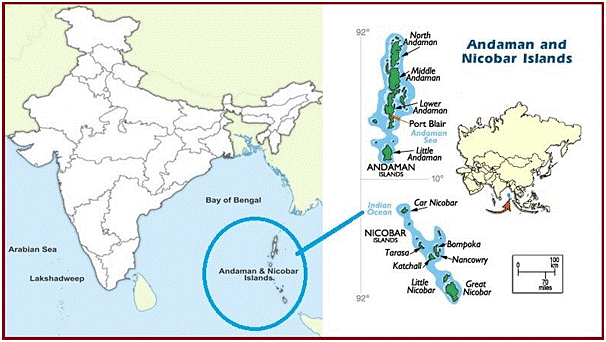
Maritime News, Great Nicobar, India : One of India’s most ambitious maritime infrastructure projects — the proposed Great Nicobar Mega Infrastructure Project — is increasingly becoming the centre of a wider debate involving strategic maritime development, environmental sustainability, tribal rights and governance transparency.
The latest concerns have been raised by Congress Rajya Sabha MP Jairam Ramesh, who has written to Union Tribal Affairs Minister Jual Oram, alleging “flagrant violations” of the Forest Rights Act (FRA), 2006 in the implementation process linked to the project.
In his letter, Ramesh urged the Ministry of Tribal Affairs to intervene immediately, arguing that statutory protections for indigenous communities and environmental governance mechanisms must not be diluted in the pursuit of large-scale infrastructure development.
At the same time, the Great Nicobar project continues to be viewed by policymakers as a strategically significant maritime initiative capable of reshaping India’s role in Indo-Pacific trade and transshipment logistics.
A Maritime Project of Strategic Scale
The proposed Great Nicobar development includes:
- an international container transshipment terminal
- greenfield airport infrastructure
- township development
- power generation facilities
- logistics and strategic infrastructure
Government documents describe the project as a major maritime initiative aimed at reducing India’s dependence on foreign transshipment hubs such as Colombo, Singapore and Klang while strengthening India’s strategic position near the Malacca Strait, one of the world’s busiest maritime trade corridors.
Located approximately 40 nautical miles from the East–West international shipping route, the proposed terminal is expected to handle nearly 14.2 million TEUs, positioning Great Nicobar as a future maritime logistics and transshipment hub for the Indian Ocean Region.
Maritime analysts have repeatedly highlighted that a substantial share of India’s container transshipment cargo is currently routed through foreign ports, resulting in economic leakage and strategic dependence on external maritime hubs.
Supporters of the project argue that India requires modern deep-draft transshipment infrastructure to compete with regional ports and strengthen supply chain resilience in an increasingly contested Indo-Pacific environment.
Jairam Ramesh Questions Forest Rights Act Compliance
Despite acknowledging the strategic relevance of the project, Jairam Ramesh argued that infrastructure expansion cannot come at the cost of tribal protections and environmental governance.
In his letter, the Congress leader stated that the Ministry of Tribal Affairs, as the nodal authority responsible for implementing the Forest Rights Act, must “take credible remedial action immediately.”
According to the letter, diversion of forest land under the FRA framework can proceed only after:
- settlement of tribal claims
- recognition of forest rights
- consent of Gram Sabhas
Ramesh also cited the Supreme Court’s April 18, 2023 Niyamgiri judgment, arguing that consent from affected tribal communities is mandatory under the FRA framework.
The Great Nicobar project reportedly involves diversion of more than 13,000 hectares of forest land, within a broader project area spread across approximately 166.10 square kilometres.
Questions Raised Over Tribal Consent Process
The letter specifically questioned the validity of resolutions passed on August 12, 2022 by settlement communities in:
- Campbell Bay
- Laxmi Nagar
- Govind Nagar
which were cited as Gram Sabha consent under the Forest Rights Act framework.
Ramesh argued that only the indigenous Nicobarese and Shompen communities are legally recognised rights holders under the FRA provisions applicable to Great Nicobar.
The Shompen, classified as a Particularly Vulnerable Tribal Group (PVTG), are estimated to have a population of around 237 individuals, while the Nicobarese population in the region is estimated at approximately 1,094 persons.
The Congress leader further alleged procedural irregularities involving representation of the Shompen community through administrative intermediaries rather than direct consent mechanisms.
The Ministry of Tribal Affairs has not yet publicly responded to the concerns raised in the letter.
UNESCO Biosphere Status Adds Global Ecological Significance
Beyond the legal and governance debate, Great Nicobar also holds major ecological importance at the international level.
The island forms part of the Great Nicobar Biosphere Reserve, recognised under UNESCO’s Man and Biosphere Programme.
The biosphere reserve spans more than 104,000 hectares of tropical evergreen forest ecosystems and contains exceptionally rich biodiversity, including around:
- 650 plant species
- more than 1,800 fauna species
with several endemic to the region.
UNESCO documentation highlights the presence of:
- tropical wet evergreen forests
- mountain ecosystems
- coastal plains
- mangroves
- marine habitats
The region is home to several endemic and threatened species including:
- dugongs
- Nicobar megapodes
- saltwater crocodiles
- marine turtles
- Nicobar tree shrews
- crab-eating macaques
The island’s ecological sensitivity has made it one of India’s most environmentally significant maritime island ecosystems.
UNESCO documentation also highlights the dependence of indigenous Shompen and Nicobarese communities on forest and marine ecosystems for livelihood, culture and survival.
ESG Questions Intensify Around Maritime Infrastructure Development
The Great Nicobar project is increasingly being viewed through the lens of ESG (Environmental, Social and Governance) accountability, a framework now central to global infrastructure financing and maritime development.
Environmental concerns linked to the project include:
- large-scale forest diversion
- biodiversity impact
- seismic vulnerability
- ecological fragility of island ecosystems
- long-term sustainability risks
Government documents estimate that approximately 18.65 lakh trees exist within the broader project area, while the maximum proposed tree felling could reach nearly 7.11 lakh trees in a phased manner.
Authorities have stated that mitigation measures include:
- compensatory afforestation across approximately 97.30 sq km
- re-notification of tribal reserve areas measuring around 76.98 sq km
However, environmental experts and tribal rights advocates continue to question whether mitigation measures can adequately compensate for the long-term ecological and social impact of the project.
Maritime Growth and Sustainability Must Coexist
The Great Nicobar debate reflects the broader challenge India faces as it accelerates investments in:
- ports
- shipping corridors
- transshipment hubs
- island logistics infrastructure
- Indo-Pacific maritime connectivity
Maritime experts argue that India requires world-class transshipment infrastructure to strengthen trade competitiveness and reduce dependence on foreign ports.
At the same time, ESG safeguards, biodiversity protection and indigenous community rights are increasingly becoming critical benchmarks for evaluating the legitimacy and sustainability of large-scale maritime infrastructure projects.
Analysts believe future maritime development projects will increasingly be judged not only by economic and strategic outcomes, but also by:
- environmental sustainability
- governance transparency
- climate resilience
- ecological accountability
- protection of indigenous communities
As India positions itself as a major maritime power in the Indo-Pacific region, the Great Nicobar project may ultimately become a defining test of how strategic infrastructure ambitions are balanced with ESG responsibility and long-term sustainability.