Proposed End to Four-Month Conflict Raises Hopes for Shipping Recovery, Yet Questions Remain Over Mine Clearance, Vessel Safety, Insurance Costs and Long-Term Stability
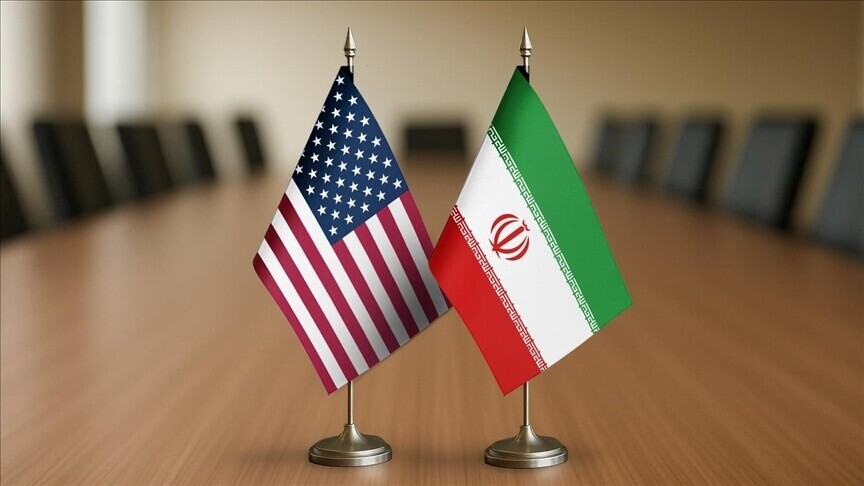
Maritime News, India: Prime Minister Narendra Modi has welcomed the understanding reached between the United States and Iran to end nearly four months of conflict in West Asia, expressing hope that the agreement will restore peace, stability, freedom of navigation and commercial activity across one of the world’s most strategically important maritime regions.
For the global maritime industry, however, the proposed agreement represents both an opportunity and a cautionary moment.
While governments and financial markets have responded positively to announcements that the Strait of Hormuz could reopen following the signing of a Memorandum of Understanding (MoU) in Geneva later this week, shipping companies, insurers, ports, energy traders and seafarers are asking a more practical question:
Will the Strait be safe enough for normal commercial shipping to resume?
A Maritime Corridor That Shapes the Global Economy
The Strait of Hormuz remains one of the world’s most critical maritime chokepoints.
Connecting the Persian Gulf to the Arabian Sea, the narrow waterway carries a significant share of global crude oil exports, liquefied natural gas (LNG) shipments and commercial cargo.
For India, the importance is particularly significant.
A substantial portion of India’s energy imports, petroleum supplies and regional trade flows depend on uninterrupted navigation through Hormuz.
Any disruption immediately affects:
- Energy security
- Freight rates
- Shipping schedules
- Supply chains
- Import costs
- Export competitiveness
The four-month conflict once again demonstrated how geopolitical instability can rapidly transform into an economic and maritime crisis.
What the Proposed Agreement Includes
According to statements issued by American, Iranian and Pakistani officials, the proposed memorandum could include:
- Immediate cessation of military operations
- Reopening of the Strait of Hormuz
- Removal of the US blockade on Iranian ports
- Restoration of commercial navigation
- A 60-day framework for negotiations on sanctions and nuclear issues
- Discussions on long-term regional security arrangements
US President Donald Trump stated that the Strait would reopen following the signing of the agreement, while Iranian officials confirmed that commercial vessel movements would resume under arrangements coordinated by Iran and Oman.
If implemented successfully, the agreement could become one of the most significant maritime developments of 2026.
Shipping Markets Welcome the Development
Global financial markets responded positively to the announcement.
Equity markets rose, while oil prices and bond yields declined as investors anticipated a reduction in risks affecting energy supplies and maritime trade routes.
Within the shipping industry, the prospect of reopening Hormuz offers potential relief from:
- Elevated war-risk insurance premiums
- Voyage disruptions
- Security-related delays
- Charter market uncertainty
- Freight volatility
Shipowners and cargo interests have spent months adapting to heightened geopolitical risks across the Gulf region.
The possibility of restoring predictable trade flows is therefore being welcomed cautiously across global shipping markets.
Iranian Ports Could Return to Global Trade
One of the most significant but less discussed elements of the proposed agreement is the expected lifting of restrictions affecting Iranian ports.
The reopening of Iranian maritime gateways could influence:
- Tanker movements
- Regional port competition
- Energy exports
- Shipping patterns
- Trade flows across the Gulf
For shipping companies and logistics operators, the return of Iranian ports to broader commercial activity could reshape cargo routing decisions throughout the region.
Industry observers note that this may gradually restore commercial opportunities that have remained constrained during the conflict.
Iran Clarifies Position on Hormuz Fees
While President Trump stated that the Strait would reopen without tolls, Iranian officials have offered a more nuanced position.
Iran’s Foreign Ministry has indicated that while Tehran does not intend to impose transit tolls on vessels passing through Hormuz, ships may still be required to pay fees associated with maritime services.
These could include:
- Navigation assistance
- Environmental protection measures
- Vessel traffic services
- Maritime coordination
- Potential insurance-related services
For shipping operators, the distinction is important.
The Strait may reopen without formal transit tolls, but commercial vessels could still face additional operating costs associated with navigating the corridor.
Mine Threat Emerges as the Industry’s Biggest Concern
Perhaps the most important concern now facing the shipping industry is not politics—but safety.
Maritime experts warn that naval mines deployed during the conflict could remain a serious hazard even after a political agreement is signed.
According to BIMCO, one of the world’s largest shipping associations, mine detection and clearance operations are highly specialised and time-consuming.
Industry experts note that:
- Naval mines are difficult to locate
- Cleared routes can potentially be mined again
- Mine clearance requires specialised naval assets
- Safe navigation corridors have not yet been fully defined
As a result, the reopening of the Strait does not automatically mean the immediate return of normal commercial traffic.
Shipping companies are expected to seek greater operational clarity before fully restoring services.
Questions the Shipping Industry Still Needs Answered
Several critical maritime questions remain unresolved:
- Which shipping lanes will be declared safe?
- Who will certify that navigation routes are secure?
- How quickly can mine-clearance operations be completed?
- What vessel traffic management procedures will apply?
- How will naval escorts or monitoring be coordinated?
- What guidance will insurers provide?
- Will war-risk premiums immediately decline?
Until these questions are answered, shipowners are likely to remain cautious.
Seafarers Remain at the Centre of the Crisis
The conflict also exposed the vulnerability of thousands of seafarers operating in high-risk waters.
Several incidents involving vessels carrying Indian crew members highlighted the human cost of maritime instability.
India has repeatedly expressed concern regarding attacks on commercial shipping and the safety of seafarers navigating conflict zones.
For maritime labour organisations, the success of the agreement will ultimately be measured not only by political outcomes but by whether seafarers can once again operate safely.
What It Means for India
For India, the proposed agreement carries implications far beyond diplomacy.
A stable Strait of Hormuz affects:
Energy Sector
- Crude oil imports
- LNG supplies
- Refinery operations
Shipping Industry
- Freight markets
- Chartering activity
- Vessel deployment
Ports and Logistics
- Cargo flows
- Port throughput
- Supply-chain reliability
Exporters and Importers
- Delivery schedules
- Shipping costs
- Trade competitiveness
The restoration of maritime stability would therefore provide significant economic benefits across multiple sectors.
The Larger Lesson: Maritime Resilience Cannot Depend on One Chokepoint
While markets are celebrating the prospect of peace, the conflict has exposed a deeper vulnerability within the global trading system.
For nearly four months, uncertainty surrounding a single maritime corridor disrupted shipping schedules, increased insurance costs, endangered seafarers and rattled supply chains across continents.
The Strait of Hormuz remains indispensable to global trade—but the crisis has demonstrated the risks of excessive dependence on any single chokepoint.
For governments, ports, energy companies and shipping operators, the challenge is no longer merely managing disruptions when they occur.
The challenge is building resilient supply chains, diversified trade corridors and stronger contingency planning before the next crisis emerges.
Cautious Optimism Across the Maritime Industry
Prime Minister Modi’s welcome of the understanding reflects India’s support for peace, stability and freedom of navigation.
For the maritime industry, the agreement offers genuine hope that one of the most disruptive shipping crises of recent years may be approaching a resolution.
Yet industry stakeholders remain cautious.
The memorandum has not yet been signed.
Key political issues remain unresolved.
Operational details are still emerging.
And the maritime community continues to await clear guidance on navigation safety, mine clearance and commercial procedures.
The reopening of the Strait of Hormuz may mark the beginning of recovery.
Whether it becomes the foundation for lasting maritime stability will depend on what happens after the signatures are placed on the agreement.