
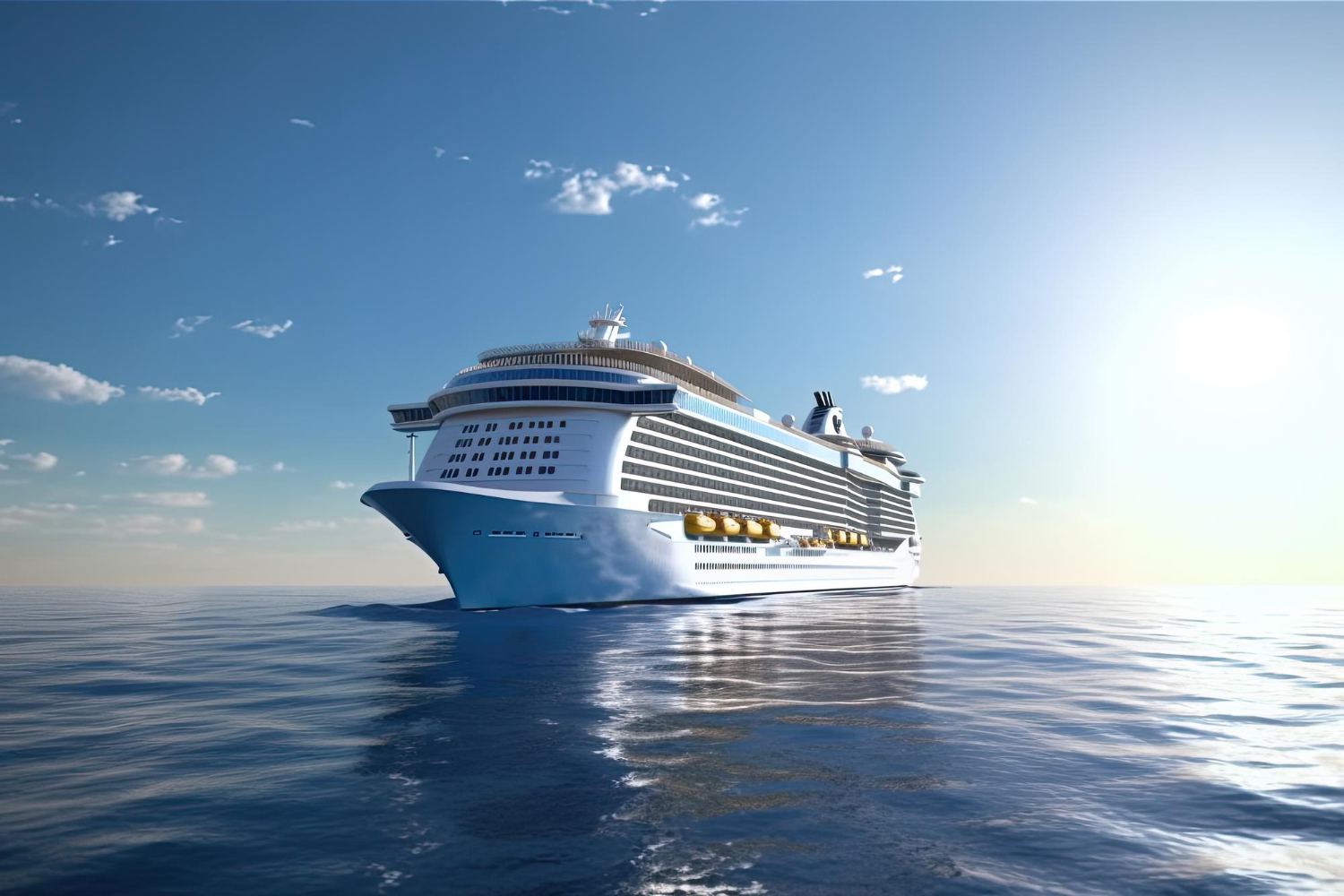
Maritime News: Luxury cruise tourism has become a topic of the global travel industry, offering an exclusive way to explore diverse destinations in comfort and style. While the appeal of the luxury cruises lies in the extravagant experiences and exotic locations, the operation behind the scenes is just as complex and crucial to the seamless journeys passengers enjoy. After all, people add a cruise to their bucket list and to ensure that it is fulfilled in the best way possible, Technical Operations go all-in efforts to make it memorable for the passengers.
Cruise lines promise world-class service, entertainment, and multi-national cuisines, but these expectations cannot be met without a highly coordinated set of operations, skilled crews, and cutting-edge technology. These elements are essential to maintaining the high standards of luxury that the industry is known for. But while passengers relax and indulge, the ship’s crew is working relentlessly to ensure that the vessel operates efficiently, safely, and in full compliance with international regulations.
The Appeal of Luxury Cruises:
What makes luxury cruises so appealing is the combination of adventure, relaxation, and convenience. The growing demand for such experiences speaks to an increasing desire for personalized, all-inclusive vacations. Onboard, guests can enjoy everything from private suites, high-end dining, and spas to world-class entertainment and themed excursions. This holistic luxury experience—one that blends exploration with comfort—is the primary driver behind the industry’s growth.
However, what many passengers don’t see are the intricate behind-the-scenes operations that make this opulence possible. These operations span technical management, crew logistics, supply chain coordination, and adherence to stringent maritime safety regulations. Every aspect of a cruise, from the maintenance of the ship to the scheduling of crew transfers and coordination with ports, plays a part in ensuring that the ship stays on schedule and offers the highest quality service.
Technical Operations and Challenges:
Luxury cruise operations are highly technical and require continuous attention. From the moment the ship sets sail, the operational team is on high alert, ensuring the vessel’s technical systems—including propulsion, energy management, waste management, and HVAC systems—function optimally.
One of the most challenging aspects of cruise operations is the turnaround time. This is the window of time between when one set of passengers disembarks and the next group embarks. These turnarounds are crucial, and delays can have a ripple effect on the schedule. A smooth turnaround requires managing the crew, unloading supplies, refueling the ship, and conducting maintenance checks—often all within a few hours.
Port congestion, particularly at major global cruise hubs, adds to the complexity. Cruise ships often operate on tight schedules, and timely docking is critical. Furthermore, the coordination between port authorities and the cruise line’s operations team must be flawless to ensure that passengers have a smooth transition between ship and shore. This includes not just logistics but also security checks, customs clearance, and managing excursions.
Crew Management and Leadership:
Behind every successful voyage is a team of professionals working to keep things running smoothly. The shipboard leadership team is responsible for both technical operations and guest services. This includes the Captain, who oversees the ship’s operations and ensures the safety of everyone onboard, and the Chief Engineer, who is responsible for managing the engineering department and ensuring the vessel’s technical systems are always in working order.
A luxury cruise has a high crew-to-passenger ratio, often as much as 1 crew member for every 1.5 guests, allowing for personalized service and attention to detail. While the ship’s hotel operations (e.g., housekeeping, culinary services) cater to guests’ needs, the technical crew ensures that the machinery and safety systems function properly at all times.
This operational complexity extends to managing crew transfers. In many cases, cruise lines have to work with local agencies to arrange crew rotations, which can be challenging, particularly when international borders and visas are involved. Furthermore, a well-trained team is crucial for smooth service delivery, especially in luxury cruises, where the guest experience is paramount.
Operational Challenges in Asia’s Luxury Cruise Market:
As the Asian cruise market grows, new challenges and opportunities arise. Ports in Southeast Asia—such as Singapore, Hong Kong, and Japan—are becoming some of the busiest cruise hubs globally. While these ports offer access to popular destinations, they also face issues like port congestion, the need for increased infrastructure, and navigating narrow waterways.
Asian luxury cruise companies are rising to meet these challenges by combining Western luxury standards with the region’s rich hospitality traditions. However, this growth presents operational challenges, particularly in crew management and compliance. The high demand for cruises from China and other Asian countries places further strain on ports and logistical systems, making effective operational planning and communication more crucial than ever.
Additionally, the industry’s emphasis on sustainability is increasing in the Asian region. More cruise lines are adopting green technologies, such as liquefied natural gas (LNG) for cleaner emissions, as well as energy-efficient systems and waste management practices. These steps are necessary to meet the global push for environmentally responsible tourism.
The People Behind the Operations:
The heart of any successful cruise lies in its people. From the technical crew in the engine room to the hotel staff serving guests, each person has a vital role to play in delivering the experience passengers expect. The shipboard leadership team, including officers, engineers, hotel directors, and other department heads, works in unison to manage the ship’s operations, resolve issues, and provide exceptional service.
For the cruise to function smoothly, the human element is indispensable. Every crew member—from the captain to the housekeeper—undergoes extensive training to ensure they are ready for the challenges of shipboard life. Training goes beyond service standards, with a strong focus on safety and emergency protocols to ensure the well-being of guests and crew alike.
As the cruise industry grows, especially in Asia, the demand for well-trained professionals will continue to rise. The need for experienced maritime professionals—from engineers to navigators—is critical for ensuring the success of cruise lines. The challenge lies in providing effective training and development programs to meet this increasing demand.
Conclusion: The Future of Luxury Cruise Tourism
Luxury cruise tourism is a dynamic and evolving industry that requires a delicate balance between operational excellence, technical innovation, and service excellence. The people working behind the scenes, from engineers to hotel staff, are essential to ensuring that guests experience the luxury and seamlessness they expect. The future of luxury cruising will likely be shaped by continued technological advancements, environmental sustainability, and the industry’s ability to handle growing demand, particularly in the Asian markets.
The key to maintaining the success of luxury cruise tourism lies in efficient operations. The complexity of managing ships, ports, crew, and logistics while keeping the luxury experience intact requires constant dedication. The growth of the cruise industry will depend on skilled professionals and cutting-edge technology to meet the evolving expectations of modern passengers.
Disclaimer:
The views, opinions, observations and research presented in this article are solely those of the author and are based on individual understanding and professional interest in the subject. They do not represent the official views, policies or positions of any company, employer, institution or organization associated with the author.