Indian Seafarers Killed as Gulf Conflict Escalates; India Activates Maritime Crisis Response System
Maritime News, New Delhi / Mumbai : India has activated a comprehensive maritime crisis monitoring and response mechanism after escalating tensions in the Persian Gulf region led to casualties involving Indian seafarers and raised concerns over the safety of ships transiting one of the world’s most critical maritime corridors.
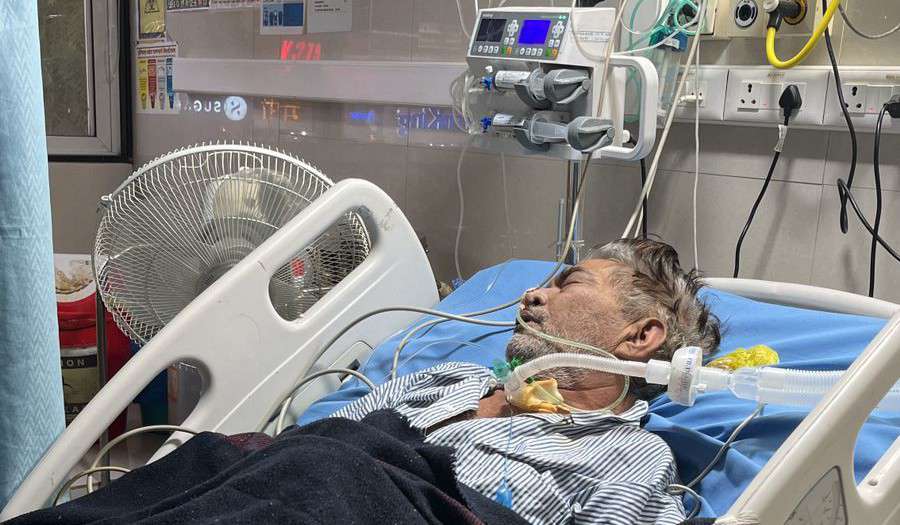
According to the Directorate General of Shipping, four incidents involving Indian seafarers have already been reported in the region, resulting in three fatalities and one injured crew member. All the affected seafarers were serving on board foreign-flag vessels.
Authorities confirmed that no Indian-flagged vessels have been attacked, detained, or boarded so far, but monitoring of ships and crew operating in the region has been intensified.
The emergency response follows a high-level review chaired by Union Minister for Ports, Shipping and Waterways Sarbananda Sonowal after regional tensions escalated following Israeli strikes in Iran and the broader security deterioration across West Asian maritime waters.
India Activates Maritime Crisis Response Architecture
Primary Crisis Contact (24×7)
DG COMM Centre – First Point of Contact for Seafarers’ Support
- Email: support-dgs@gov.in (also dgcommcentre-dgs@nic.in appears in the circular)
- WhatsApp / Calls: +91 9004048406
Alternate DGComm Emergency Numbers
- +91 8657549760
- +91 22 22613606
- +91 8657549752
Maritime Security Coordination Centre
Information Fusion Centre – Indian Ocean Region (IFC-IOR)
- WhatsApp: +91 7428963733
- Landline: +91 124 2208385
- Email: ifc-ior.gurugram@navy.gov.in
Crew Emergency Coordination (DG Shipping – Crew Branch)
- Email: crews-dgs@gov.in
- Contact: Capt. P.C. Meena (DDG Crew)
These numbers are intended for:
- Seafarers in distress
- Families of seafarers
- Shipping companies
- RPSL agencies
- Maritime stakeholders reporting incidents
In response to the escalating risks, the Directorate General of Shipping has activated an emergency monitoring framework supported by multiple national security and maritime agencies.
Key measures include:
- Real-time tracking of Indian-flagged vessels
- Mandatory daily ship reporting through an online monitoring system
- 24×7 surveillance through the DGComm Maritime Communication Centre
- Increased reporting frequency by ship operators and managers
The monitoring effort is being coordinated with the Indian Navy, the Ministry of External Affairs, the Information Fusion Centre – Indian Ocean Region, and Maritime Rescue Coordination Centres.
These agencies collectively maintain maritime domain awareness across the Indian Ocean and surrounding high-risk waters.
Dedicated Quick Response Team for Seafarer Safety
Recognising the possibility of Indian seafarers becoming stranded or caught in conflict zones, DG Shipping has constituted a 24-hour Quick Response Team tasked with coordinating emergency assistance and evacuation if required.
The team is led by:
- Capt. P.C. Meena, Deputy Director General (Crew)
- Capt. Nitin Mukesh, Deputy Nautical Advisor
Officials from multiple maritime offices have been deployed to maintain round-the-clock crisis coordination.
The DGComm Centre has been designated as the first point of contact for seafarers and families, supported by dedicated helplines and communication channels.
Authorities have also established direct coordination with:
- shipping companies
- Recruitment and Placement Service Licensees (RPSLs)
- Indian missions abroad
- seafarers’ families and next of kin
Situation reports on developments in the region are being compiled every three hours.
Maritime Risk Expands Across Key Global Shipping Routes
The advisory issued by the Directorate warns that the security situation is evolving rapidly across a wide maritime arc that includes:
- the Persian Gulf
- the Strait of Hormuz
- the Gulf of Oman
- the Red Sea and Bab-al-Mandeb Strait
- parts of the Arabian Sea and Gulf of Aden
These sea lanes represent some of the world’s most critical shipping corridors, carrying a significant share of global oil and container trade.
The Strait of Hormuz alone handles nearly one-third of global seaborne crude oil shipments, making any escalation in the region a matter of global maritime concern.
For India, the stakes are particularly high given that thousands of Indian seafarers serve onboard international vessels transiting these routes.
Maritime Threats Now Include Drones, Missiles and Navigation Interference
Maritime security advisories issued by the Directorate highlight the emergence of hybrid warfare risks affecting merchant shipping.
Ships operating in the region have been warned of potential threats including:
- missile strikes
- drone and unmanned surface vessel attacks
- sea mines
- GNSS and navigation signal interference
- electronic warfare targeting ship communication systems
Vessels have been directed to conduct security drills, test onboard emergency alert systems, and maintain enhanced bridge surveillance while transiting high-risk areas.
Advisory Issued to Shipping Companies and Seafarers
The Directorate has issued multiple circulars directing maritime stakeholders to adopt heightened security measures.
Shipping companies and operators have been instructed to:
- conduct voyage-specific risk assessments before entering the region
- maintain continuous communication readiness
- immediately report suspicious activities or security incidents
- brief crews on emergency response procedures for missile or drone threats
At the same time, recruitment agencies have been advised not to deploy Indian seafarers to Iranian ports until further notice, following travel advisories issued by the government.
Indian seafarers currently in Iran have been urged to remain vigilant and coordinate with the Indian Embassy for assistance.
India’s Maritime Workforce at Risk in Global Conflict Zones
India is one of the world’s largest suppliers of maritime manpower, with more than 250,000 Indian seafarers serving on ships worldwide.
A significant portion of these vessels routinely operate in the Persian Gulf and surrounding waters.
The recent casualties underline the vulnerability of maritime workers serving aboard foreign-flag ships operating in conflict-prone regions.
Strategic Significance for Global Shipping
Industry observers note that the escalation highlights the growing intersection between geopolitics and maritime trade.
Shipping routes through the Gulf and Red Sea region have already faced disruptions due to recent security incidents, forcing some vessels to alter routes or increase security precautions.
Any sustained instability in these waters could have ripple effects across global energy markets, freight costs, and maritime insurance.
Government Reaffirms Commitment to Seafarer Protection
Officials have emphasised that the government remains committed to protecting Indian maritime personnel and shipping interests during the ongoing crisis.
Authorities confirmed that maritime agencies will continue close coordination with naval forces, international monitoring centres, and diplomatic missions until the regional situation stabilises.