Human Rights Commission Takes Cognizance of Complaint Seeking Protection and Crisis Response Measures for Indian Seafarers Working in the Persian Gulf Region
Make us preferred source on Google
MaritimeNews Summary
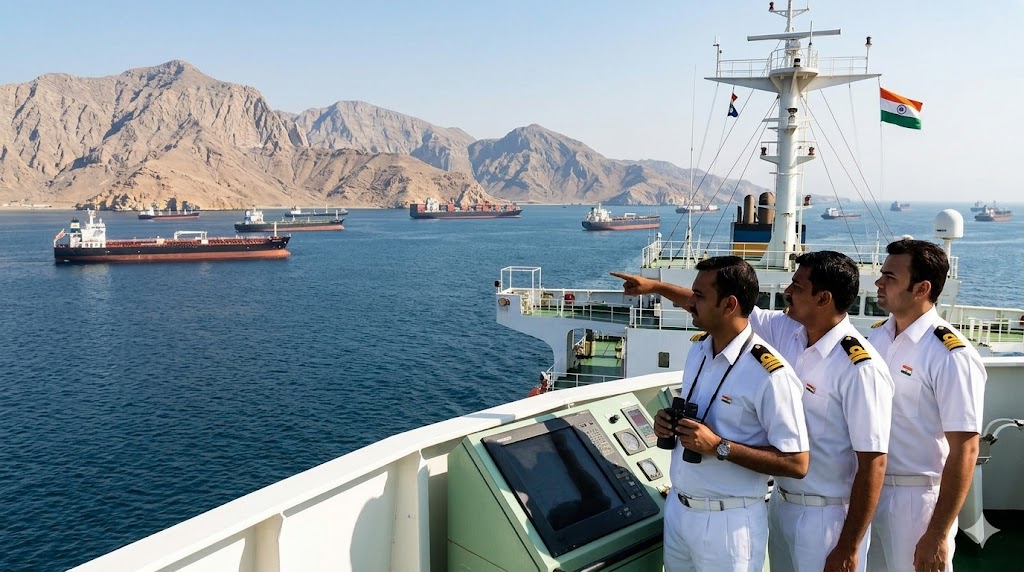
The National Human Rights Commission (NHRC) has directed the Ministry of External Affairs (MEA) to take appropriate action on a complaint concerning the safety and welfare of approximately 2,000 Indian seafarers reportedly working in the Persian Gulf region amid heightened geopolitical tensions and maritime security risks. The Commission has asked the concerned authority to take appropriate action within eight weeks and keep the complainant informed of developments.
Key Takeaways
- NHRC has taken cognizance of concerns relating to Indian seafarers working in the Persian Gulf region.
- The complaint was filed by Hyderabad-based Advocate Yennam Balachander Reddy.
- The Commission directed the Ministry of External Affairs to take appropriate action within eight weeks.
- The case concerns the safety and welfare of approximately 2,000 Indian seafarers reportedly operating in the region.
- The matter highlights growing concerns over crew welfare during periods of geopolitical instability.
- The case raises larger questions regarding India’s preparedness for protecting seafarers working in conflict-prone international waters.
- The issue has now moved beyond a maritime concern and entered the domain of human rights and public policy.
NHRC Intervenes on Seafarer Safety Concerns
Hyderabad, Telangana, India, June 20 (Maritime News) – In a development that brings national attention to the welfare of Indian seafarers operating in high-risk waters, the National Human Rights Commission has acted on a complaint relating to the safety of approximately 2,000 Indian sailors reportedly working in the Persian Gulf region.
According to the Commission’s order dated 19 June 2026, the complaint has been transmitted to the concerned authority, namely the Ministry of External Affairs, for appropriate action. The authority has been directed to take action within eight weeks and inform the complainant of the steps taken.
The case has been registered as NHRC Case No. 77/99/4/2026 and relates to concerns surrounding the physical safety of Indians serving on vessels operating in the Persian Gulf region.
The case also highlights wider international discussions on seafarer welfare and protection during periods of armed conflict, an issue that has increasingly attracted attention from maritime regulators, shipping companies and international organizations.
Complaint Raises Concerns Over Seafarer Welfare
The complaint, filed by Advocate Yennam Balachander Reddy of Hyderabad, highlighted reports suggesting that Indian seafarers working aboard merchant vessels in the Gulf region may face heightened risks amid escalating regional tensions and maritime security challenges.
The petition urged authorities to examine issues relating to safety, welfare, emergency preparedness and protection mechanisms available to Indian nationals employed aboard vessels operating in sensitive maritime zones.
The complaint also sought institutional attention to the broader humanitarian dimensions of maritime employment during periods of geopolitical instability.
Why This Story Matters Beyond Shipping
For most observers, developments in the Gulf are often viewed through the lens of oil markets, freight rates and shipping disruptions.
However, behind every merchant vessel are seafarers who continue operating ships under increasingly uncertain conditions.
Indian seafarers represent one of the largest maritime workforces in the world. Thousands serve on tankers, bulk carriers, container vessels and offshore assets operating across international waters. During periods of conflict or geopolitical instability, these individuals often become the most exposed yet least visible participants in global trade.
The NHRC’s intervention shifts attention from cargo and commerce to the human beings responsible for keeping global supply chains moving.
Gulf Security Concerns Continue to Influence Maritime Operations
Recent months have seen increased concerns over maritime security in the wider Gulf region, particularly around key shipping routes that support global energy and trade flows.
The Persian Gulf and adjoining sea lanes remain among the most strategically important maritime corridors in the world. Any deterioration in regional security can have direct implications for:
- Crew safety
- Vessel operations
- Insurance costs
- Freight markets
- Global supply chains
For seafarers onboard vessels operating in these waters, geopolitical tensions can translate into extended deployments, heightened stress levels and operational uncertainty.
Also Read: 24 Indian Seafarers Safe After Fire Breaks Out on Oil Tanker MT Marivex
A Human Rights Dimension to Maritime Employment
The significance of the NHRC’s intervention lies in its recognition that concerns involving seafarers are not solely labour or commercial issues.
The complaint places emphasis on questions relating to:
- Safety
- Human dignity
- Welfare
- Emergency response
- Institutional accountability
By transmitting the matter to the Ministry of External Affairs, the Commission has ensured that the concerns raised receive formal consideration through the appropriate governmental channel.
Why It Matters
India supplies a substantial share of the world’s maritime workforce. The safety and welfare of Indian seafarers therefore carries significance not only for affected individuals and their families but also for the broader maritime sector.
The case raises an important policy question:
Does India have sufficiently robust mechanisms to monitor, support and protect Indian seafarers working in regions affected by conflict or geopolitical instability?
As international security challenges become increasingly complex, this question is likely to gain greater importance.
International Maritime Context
The safety and welfare of seafarers operating in conflict-prone waters is a growing concern globally. International maritime institutions, including the International Maritime Organization (IMO) and International Labour Organization (ILO), have repeatedly emphasized the importance of crew welfare, safe working conditions and access to assistance during maritime emergencies.
Also Read: DG Shipping Sets Up 24×7 Crisis Response Team for Seafarers
Economic Impact
Seafarers play a critical role in sustaining international trade and maritime commerce.
Any disruption affecting crew welfare can influence:
- Vessel operations
- Crew availability
- Manning costs
- Shipping schedules
- Supply chain reliability
Beyond economics, however, the present matter underscores the human cost of maritime disruptions and the need for effective crisis-response mechanisms.
What Happens Next
Under the NHRC’s order, the Ministry of External Affairs has been directed to take appropriate action within eight weeks and communicate the action taken to the complainant.
Industry stakeholders, seafarer welfare organisations and maritime professionals will be closely watching developments, particularly any measures relating to crew safety, communication mechanisms and emergency preparedness.
Also Read: Storm Brews Over DGS Circular 31 of 2025: Indian Seafarers
Recommendations & Preparedness Matrix
Government Recommendations
Strengthen inter-ministerial coordination involving MEA, DG Shipping, Ministry of Ports, Shipping and Waterways and defence agencies for seafarer crisis management.
Regulatory Recommendations
Develop structured protocols for monitoring Indian seafarers working in high-risk maritime regions.
Industry Recommendations
Shipping companies and manning agencies should strengthen crew communication, welfare support and emergency response planning.
Stakeholder Preparedness
Seafarers and families should maintain updated contact records and remain informed through official advisories and company communication channels.
MaritimeNews Insight
The most significant aspect of this case is not the legal proceeding itself but the policy gap it exposes. India has built a strong global reputation as a provider of maritime manpower. As geopolitical risks increase across several regions, protecting seafarers will require the same level of strategic attention traditionally given to ships, ports and cargo.
MaritimeNews Critique
While the NHRC’s intervention ensures that the concerns raised receive official attention, the broader maritime community will expect clarity on existing contingency frameworks available for Indian seafarers working in conflict-sensitive regions. The issue is likely to remain relevant even after immediate regional tensions subside.
Also Read: Seafarers’ Minimum Wage Raised After Breakthrough Geneva Talks
Risk Assessment
Potential risks include:
- Escalation of regional tensions.
- Extended crew deployments.
- Increased mental health and welfare challenges.
- Operational disruptions affecting seafarers and vessel operators.
- Inadequate crisis-response coordination during future emergencies.
Opportunity Assessment
The case presents an opportunity to:
- Strengthen seafarer welfare mechanisms.
- Improve crisis-response frameworks.
- Enhance coordination between government agencies.
- Establish best practices for protection of Indian maritime professionals abroad.
- Improve confidence among Indian seafarers and their families.
Stakeholder Impact Matrix
Who Benefits and How?
Indian Seafarers
Greater institutional attention to welfare and safety concerns.
Families of Seafarers
Improved visibility of issues affecting loved ones working abroad.
Maritime Industry
Potential development of stronger crisis-management systems.
Who Is Impacted and How?
Shipping Companies
May face increased scrutiny regarding crew welfare arrangements.
Manning Agencies
Could be required to strengthen communication and support mechanisms.
What Must They Do to Remain Unimpacted?
Review emergency response plans, crew welfare protocols and communication systems.
Who Should Watch and Why?
- DG Shipping
- Ministry of External Affairs
- Shipping Companies
- Manning Agencies
- Seafarer Welfare Organisations
Because future policy decisions may directly affect crew welfare obligations and crisis-response requirements.
What Preparations Should They Make?
Review contingency plans, crew databases, communication channels and welfare support systems.
Also Read: 21 Indian Seafarers Unpaid Since December: MT Asphalt Star
MaritimeNews Stakeholder Impact Pyramid
Grassroots Stakeholders
Seafarers and their families stand to benefit from increased attention to welfare and safety concerns.
Operational Stakeholders
Ship managers, crewing departments and vessel operators may need stronger monitoring and support mechanisms.
Professional Stakeholders
Maritime professionals involved in crew management, welfare and compliance may see expanded responsibilities.
Business Stakeholders
Shipping companies and manning agencies could face evolving expectations regarding crisis preparedness.
Industry Leaders
Major shipping groups may be expected to demonstrate stronger crew welfare frameworks.
Strategic Investors
Investors increasingly evaluate ESG and human-capital considerations, making seafarer welfare an important long-term factor.
Industry Impact
The case highlights the growing importance of crew welfare and human rights considerations within the global shipping industry.
Policy Implications
The NHRC intervention may contribute to future discussions regarding seafarer protection frameworks, emergency response mechanisms and institutional coordination during international crises affecting Indian maritime professionals.
FAQ
What action has NHRC taken?
NHRC has transmitted the complaint to the Ministry of External Affairs and directed appropriate action within eight weeks.
Who filed the complaint?
The complaint was filed by Advocate Yennam Balachander Reddy of Hyderabad.
How many Indian seafarers are involved?
The complaint refers to concerns involving approximately 2,000 Indian seafarers reportedly working in the Persian Gulf region.
Is this an evacuation order?
No. The NHRC has directed the concerned authority to examine the matter and take appropriate action.
Why is this important?
The case highlights the intersection of maritime security, seafarer welfare, human rights and crisis-response preparedness.
Make us preferred source on Google
Source: National Human Rights Commission Order dated 19 June 2026 and complaint documents submitted before the Commission.
Reporting by MaritimeNews Bureaus, Writing by Jaspal Singh Naol