Strategic Partnership to Build Shipyards, Ports and Maritime Logistics Ecosystem
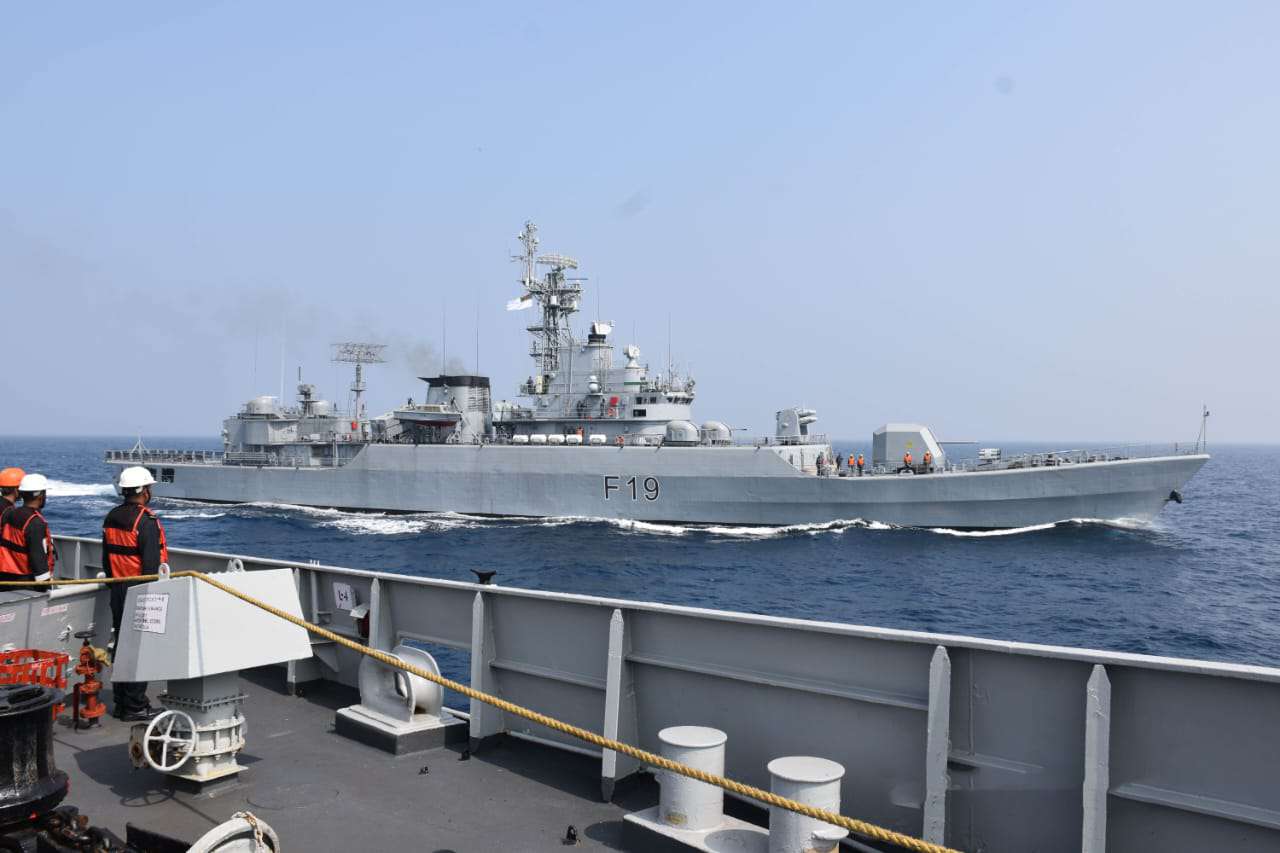
Maritime News India : India and South Korea have unveiled an ambitious maritime cooperation framework aimed at transforming India into a global shipbuilding and logistics hub, aligning with the country’s long-term Maritime Amrit Kaal Vision 2047.
Announced by the Press Information Bureau, the initiative—titled VOYAGES (Vision for Operation of Yard Assisted Growth with Efficiency and Scale)—was formalized during high-level talks between Prime Minister Narendra Modi and South Korean President Lee Jae Myung on April 20, 2026.
Strategic Vision: Maritime as Core to India’s Economic Growth
Both nations emphasized that maritime development is central to:
- Economic expansion
- Trade competitiveness
- National security
India’s rapid economic growth and global trade integration make the maritime sector a critical pillar of future development, while South Korea brings advanced expertise in shipbuilding, engineering, and maritime technologies.
This creates a complementary partnership model:
- India → Scale + demand
- Korea → Technology + expertise
₹2.2 Lakh Crore Opportunity: 400+ Vessel Acquisition Pipeline
A major highlight of the discussions was India’s announcement of:
- 400+ vessels acquisition plan
- Total estimated value: ₹2.2 lakh crore (~USD 25 billion)
This demand pipeline is expected to:
- Drive domestic shipbuilding
- Attract global players
- Strengthen local manufacturing ecosystems
Greenfield Shipbuilding Clusters: Korea Invited as Anchor Partner
India has proposed the development of large-scale greenfield shipbuilding clusters, supported by:
- Government incentives
- State-level support
- Financial institution backing
The Indian side invited Korean shipbuilders to act as:
- Technical anchors
- Strategic partners
With involvement in:
- Design & engineering
- Advanced manufacturing
- Safety and quality frameworks
A key development includes:
Non-binding MoU between:
- HD Korea Shipbuilding & Offshore Engineering (HD KSOE)
- Maritime Development Fund (MDF)
- Indian cluster developer
For setting up a large greenfield shipyard in southern India
Upgrading Existing Shipyards: Brownfield Expansion Push
The partnership also focuses on:
- Upgrading existing Indian shipyards
- Enhancing capacity through brownfield expansion
Key project:
- Block Fabrication Facility linked to a new dry dock
- Designed for large and specialized vessels
This indicates a dual strategy:
- Build new capacity
- Upgrade existing infrastructure
Component Manufacturing: Opening Market for Korean Suppliers
India’s policy support is expected to boost demand for:
- Shipbuilding components
- Ancillary industries
This creates opportunities for Korean firms to:
- Set up local production
- Integrate into India’s supply chain
Key developments:
- Opening of Korea Marine Equipment Association (KOMEA) branch in Mumbai
- Interest from KOMERI for collaboration
Ports & Logistics: $13.3 Billion PPP Pipeline
India has opened its port sector for deeper collaboration, with:
- $13.3 billion PPP pipeline over next 5 years
Major projects include:
- Vadhvan Port (Maharashtra) – 23 million TEU capacity
- Bahuda Terminal (Odisha) – 150 MTPA
- Deendayal Port (Gujarat) – 135 MTPA modernization
Korean developers and operators are expected to participate actively.
Technology Collaboration: Autonomous Systems & Crane Manufacturing
A major industrial MoU was signed between:
- Bharat Earth Movers Limited (India)
- HD KSOE
- HD Hyundai Samho
For:
- Next-generation port cranes
- Autonomous maritime equipment
This signals:
Shift towards automation and smart port infrastructure
Human Capital: India’s Seafarer Strength
India highlighted its growing maritime workforce:
- 320,000+ seafarers
- Increasing participation of women
Korean shipowners were encouraged to:
- Recruit Indian seafarers
- Utilize India’s maritime talent pool
Financial & Regulatory Incentives: GIFT City Push
India invited Korean shipowners to:
- Register vessels under GIFT IFSC
- Use E-Samudra platform
Benefits include:
- Relaxed ownership structures
- Financial incentives
Skill Development & Education Partnerships
A key pillar of cooperation includes:
- Skill development through KOICA + MoPSW partnership
- Academic collaboration between:
- Indian Maritime University (IMU)
- Korea Maritime & Ocean University (KMOU)
Focus areas:
- Naval architecture
- Marine engineering
- Port management
- Green shipping technologies
- Autonomous vessels
Maritime Heritage Diplomacy: Soft Power Layer
The partnership also extends to cultural cooperation:
- Development of National Maritime Heritage Complex (Lothal)
- MoU for:
- Exchange of artefacts
- Joint research
- Museum collaboration
Maritime News Analysis: Strategic Shift or Execution Challenge?
Maritime News observes that this partnership marks one of India’s most structured attempts to:
- Build a domestic shipbuilding ecosystem
- Reduce dependence on foreign yards
- Position India as a global maritime manufacturing hub
However, key challenges remain:
Execution Capability
Can India deliver projects at global timelines?
Infrastructure Readiness
Will shipyard ecosystems match Korean efficiency?
Policy Continuity
Will incentives remain stable long-term?
Skilled Workforce Scaling
Can India scale beyond current manpower levels?
The India–South Korea maritime partnership under the VOYAGES framework represents a bold step towards transforming India’s shipbuilding and maritime logistics landscape. With a ₹2.2 lakh crore vessel demand pipeline and multi-billion-dollar port investments, the opportunity is substantial.
However, the success of this initiative will ultimately depend not on announcements—but on execution, coordination, and sustained policy commitment.