Proposed 374-Hectare Integrated Logistics Park Near JNPA Raises Questions Over Traffic, Planning and Long-Term Sustainability
Maritime News, Navi Mumbai: CIDCO’s ambitious plan to develop a 374-hectare Integrated Logistics Park (ILP) near Chirle in Pushpak Node has been projected as a major step towards transforming Navi Mumbai into a logistics hub of national importance. Leveraging proximity to Jawaharlal Nehru Port Authority (JNPA), Navi Mumbai International Airport (NMIA), the Mumbai Trans Harbour Link and Dedicated Freight Corridor connectivity, the project is being positioned as a future-ready logistics ecosystem.
However, beyond the vision of warehouses, container yards, logistics parks and industrial growth, the proposal also raises a more immediate question:
Can the region’s existing road infrastructure realistically handle the next wave of cargo, industrial activity and population growth that is already underway?
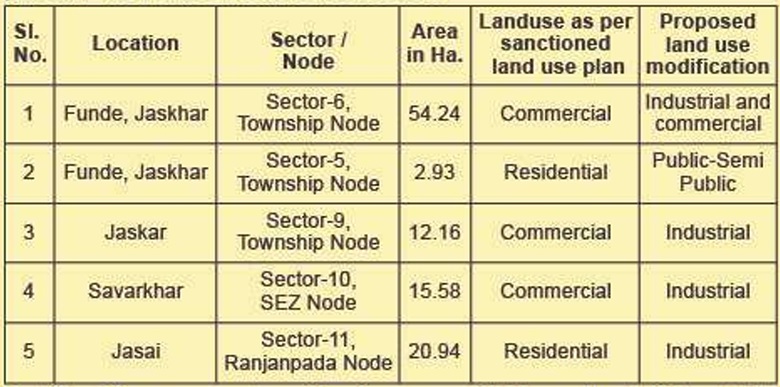
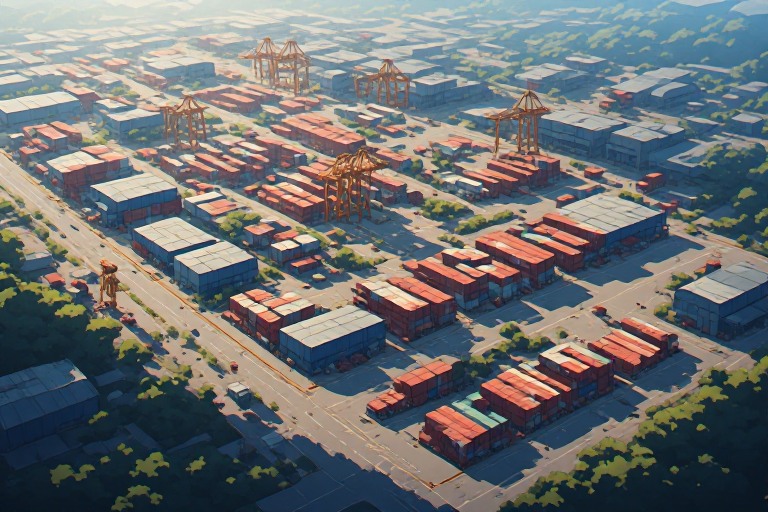
According to CIDCO, the Integrated Logistics Park will cover approximately 374 hectares and has been planned across seven logistics zones. The authority has already invited Expressions of Interest for the first phase involving 12 plots spread over nearly 72 hectares. The development is expected to support logistics parks, container freight stations, inland container depots, warehousing and allied logistics activities.
The Missing Discussion: Roads
While the project highlights future economic benefits, industry stakeholders point out that one of the biggest challenges already exists outside the proposed logistics park.
A significant portion of container traffic moving out of JNPA currently travels through Kalamboli before dispersing towards:
- Mumbai-Pune Expressway
- Sion-Panvel Highway
- Mumbra Road corridor
- Taloja Industrial Area
- Raigad industrial belt
Among these routes, the Kalamboli-Mumbra corridor has long struggled with congestion, industrial traffic, bottlenecks, unplanned bridge connectivity and growing urbanisation.
With the addition of a mega logistics park, questions are being raised about whether supporting road infrastructure is expanding at the same pace as logistics infrastructure.
Logistics Growth Coming from Multiple Directions
The proposed logistics park is not an isolated development.
Simultaneously, Navi Mumbai is witnessing:
- Expansion of JNPA-linked logistics activities
- Operationalisation of Navi Mumbai International Airport
- Development of NAINA
- Growth of warehousing clusters
- Expansion of industrial activities in Taloja, Rasayani and Nagothane
- Development of the proposed BKC-2 business district in Kharghar
Each project individually promises economic growth.
Collectively, however, they could generate enormous additional pressure on already stretched transport corridors.
Industry observers note that logistics planning can no longer be viewed project-by-project.
The challenge is becoming regional.
NAINA’s Population Growth Could Change the Equation
The Navi Mumbai Airport Influence Notified Area (NAINA), originally planned across hundreds of villages in Raigad and Thane districts, is expected to emerge as one of Maharashtra’s largest urban growth centres over the next decade.
As residential development accelerates, future traffic demand will come not only from cargo movement but also from commuters, service providers and supporting industries.
If population projections continue to rise, road networks connecting JNPA, NMIA, NAINA and the logistics zones could face unprecedented pressure.
The concern is not merely container movement.
It is the cumulative impact of cargo traffic, airport traffic, residential traffic and industrial traffic converging on the same transport corridors.
BKC-2 Could Add Another Layer of Traffic
CIDCO is simultaneously pursuing the development of a new commercial district around Kharghar, often referred to as BKC-2 (Corporate Park).
The project is expected to attract financial services, IT companies, corporate offices and support industries.
While the economic benefits could be substantial, transportation experts argue that every major commercial district generates its own mobility demands.
Employees, buses, private vehicles, delivery networks and service providers will all compete for road capacity already used by container trucks and industrial transport.
The Truck Parking Problem
Another challenge frequently raised by logistics stakeholders is the growing issue of container truck parking around the JNPA region.
Sections of roads leading towards Palaspe and adjoining logistics corridors often witness container trailers parked for extended periods due to operational delays, documentation processes and cargo handling bottlenecks.
The result is reduced road capacity, safety concerns and additional congestion.
Industry participants argue that logistics parks alone may not solve these issues unless accompanied by dedicated truck terminals, digital cargo management systems and stronger traffic planning.
ESG and Environmental Questions
The project also raises environmental and sustainability considerations.
A logistics park of this scale will inevitably increase:
- Freight movement
- Truck traffic
- Energy consumption
- Land-use intensity
As global supply chains increasingly focus on ESG performance, questions may arise regarding:
- Carbon emissions from freight transport
- Sustainable mobility planning
- Green logistics infrastructure
- Impact on local communities
The challenge for planners will be ensuring that economic growth does not outpace environmental and social infrastructure.
Beyond Warehouses and Cargo
CIDCO’s Integrated Logistics Park undoubtedly has the potential to strengthen Navi Mumbai’s position within India’s logistics and maritime ecosystem.
Yet the larger question extends beyond warehousing and cargo handling.
The real test may be whether roads, public infrastructure, environmental safeguards and urban planning can keep pace with the scale of development now being proposed across Navi Mumbai, NAINA, JNPA and the wider Raigad region.
For policymakers, logistics operators and residents alike, the debate is no longer whether growth is coming.
The debate is whether the supporting infrastructure is arriving fast enough to sustain it.