CONCOR New Domestic Container Service Expected to Boost Exports, Lower Logistics Costs and Strengthen East–South Trade Connectivity, But Can It Accelerate India’s Shift to Multimodal Logistics?
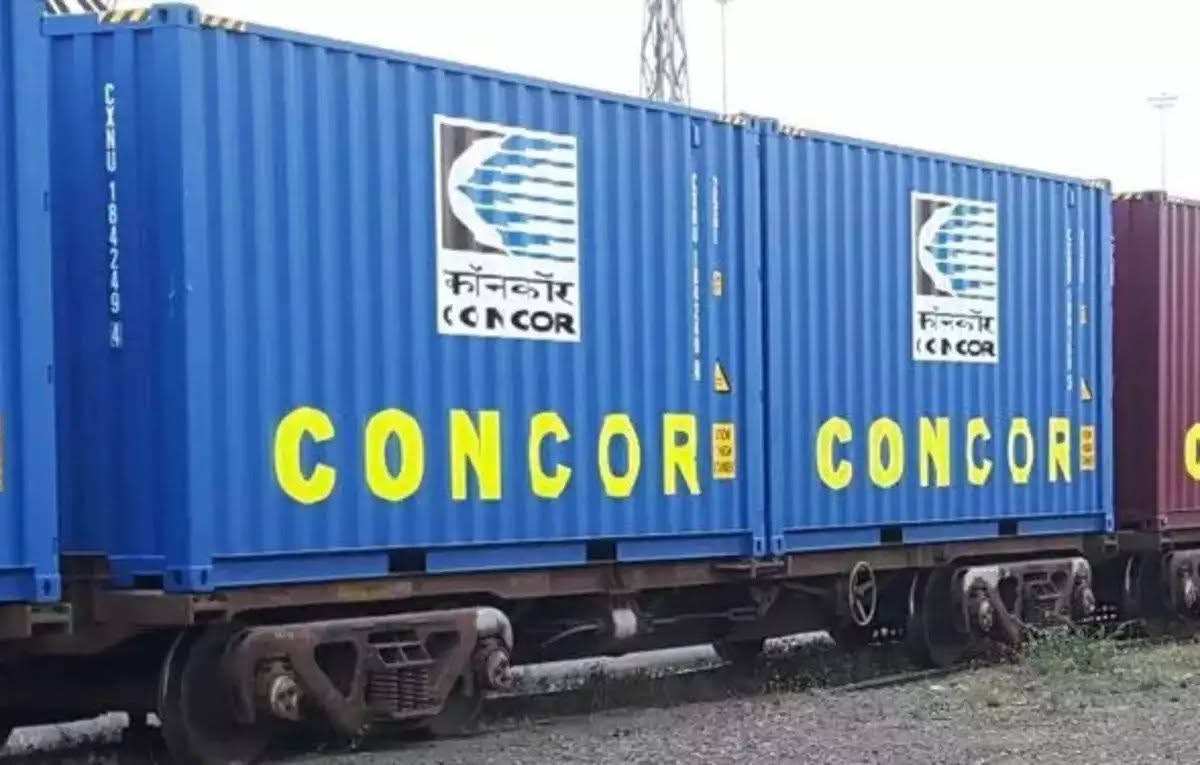
Maritime News, India: Container Corporation of India Ltd (CONCOR) has launched its first domestic container movement from Mysuru in Karnataka to Kolkata in West Bengal, opening a new rail-based logistics corridor that could strengthen trade connectivity between South India and the eastern region.
The inaugural container service marks an important step in expanding India’s domestic containerisation network, providing exporters and shippers in and around Mysuru with an alternative to long-haul road transportation for moving cargo to eastern markets and ports.
The first consignment departed from Mysuru by rail and reached Kolkata, from where it will be distributed to consignees across West Bengal and neighbouring states.
According to CONCOR, the new service is expected to support the movement of agricultural produce, processed food products, engineering goods and manufactured cargo originating from the Mysuru hinterland.
Boost for Inland Containerisation
The launch reflects growing efforts to increase the use of rail-based container transportation within India.
For exporters, domestic container services offer several advantages, including lower transportation costs, reduced road congestion, improved cargo security and more predictable transit schedules.
Industry stakeholders believe the new corridor could strengthen logistics connectivity for businesses located across southern Karnataka, particularly those serving domestic markets as well as export-oriented supply chains.
Improved rail connectivity can also support cargo aggregation from smaller industrial clusters that often struggle to access cost-effective logistics solutions.
Opportunity for Export-Oriented Industries
The Mysuru region is home to a diverse industrial base, including food processing, engineering, manufacturing, pharmaceuticals, handicrafts and agricultural products.
The availability of a direct rail container service to eastern India could provide businesses with additional market access opportunities while improving supply-chain efficiency.
From a maritime trade perspective, stronger domestic container networks help create more efficient links between production centres, inland logistics hubs and port gateways.
As India seeks to increase exports and improve logistics competitiveness, rail-based container movement is expected to play a larger role in supporting cargo flows across the country.
Reducing Dependence on Road Transport
The new service also aligns with broader national objectives aimed at shifting freight movement from roads to rail.
India continues to rely heavily on road transport for cargo movement, despite rail being more energy efficient and environmentally sustainable for long-distance freight transportation.
Industry experts have repeatedly argued that greater containerisation and multimodal integration are essential if India wants to reduce logistics costs and improve supply-chain efficiency.
The Mysuru-Kolkata service represents a step in that direction.
The Bigger Challenge: Creating Sustainable Cargo Volumes
While the launch has been welcomed by industry, the long-term success of the corridor will depend on sustained cargo generation.
Several domestic container services have faced challenges related to cargo aggregation, return loads and utilisation levels.
The key question will be whether exporters, manufacturers and logistics operators in the Mysuru region generate sufficient volumes to make the service commercially viable over the long term.
Rail corridors often succeed not because they are launched, but because industries consistently use them.
Connecting India’s Manufacturing Centres
The new corridor also highlights the growing importance of integrating regional manufacturing centres into national logistics networks.
As India implements the PM Gati Shakti initiative and the National Logistics Policy, projects that improve multimodal connectivity between production centres, logistics hubs and ports are expected to become increasingly important.
For CONCOR, the Mysuru-Kolkata corridor expands its domestic network while providing shippers with another option for moving cargo across the country.
For industry, the service offers an opportunity to lower logistics costs and improve market access.
However, its ultimate success will depend on cargo volumes, operational reliability and the ability to become a permanent component of India’s evolving multimodal logistics ecosystem rather than a symbolic inaugural movement.
If successful, the corridor could emerge as a model for future rail-container services connecting emerging industrial clusters with major consumption centres and maritime trade gateways across India.