
Maritime News: India has taken a significant step towards modernising its border trade infrastructure with the launch of the Land Port Management System (LPMS), a digital platform designed to integrate cargo and passenger operations across the country’s land ports.
Union Home Minister and Minister of Cooperation Amit Shah, will launch the system on 09 June 2026 that aims to enhance efficiency, transparency and security in cross-border trade while bringing land-port operations closer to the digital standards already adopted by airports and seaports.
The initiative forms part of the Government’s broader strategy to strengthen trade facilitation, multimodal connectivity and smart border management under the vision of Viksit Bharat 2047.
Bringing Land Ports at Par with Seaports
LPMS has been developed as a unified digital platform enabling real-time exchange of logistics and regulatory information among government agencies, customs authorities, transport operators and private stakeholders.
Officials say the system will help eliminate procedural delays and improve coordination across India’s border trade ecosystem.
A key objective of LPMS is to provide land ports with technology capabilities similar to those already used in modern seaports and airports.
The platform introduces end-to-end digital workflows covering:
- Cargo processing
- Passenger processing
- Slot booking
- Digital payments
- Cargo tracking
- Single-window clearances
These measures are expected to reduce turnaround times and improve the overall efficiency of cross-border cargo movement.
Integrated with National Logistics Platforms
One of LPMS’s most significant features is its integration with major national digital logistics systems.
The platform is linked with:
- ICEGATE
- Unified Logistics Interface Platform (ULIP)
- Motor vehicle ecosystem platforms
The integration is expected to improve interoperability between logistics stakeholders and support seamless cargo movement across different transport modes.
Industry experts believe such integration will strengthen India’s push towards a unified logistics ecosystem and reduce documentation burdens for traders and transport operators.
Supporting Trade Corridors and Supply Chains
Land ports play a critical role in India’s trade with neighbouring countries, handling significant volumes of cargo and passenger traffic.
The digitalisation of these gateways is expected to benefit exporters, importers, customs brokers, transport operators and logistics providers by improving visibility and operational efficiency.
The system also supports the Government’s broader objective of creating integrated multimodal trade corridors connecting ports, highways, railways and border infrastructure.
Fifteen Operational Land Ports Covered
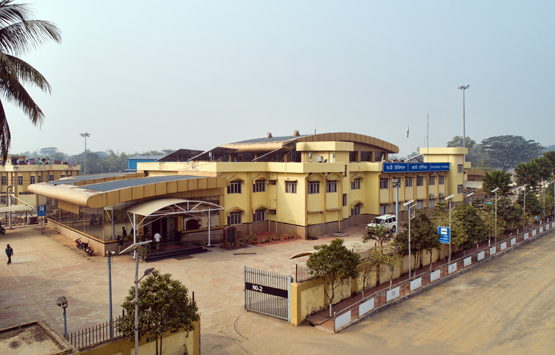
The Land Ports Authority of India (LPAI), operating under the Ministry of Home Affairs, currently manages 15 operational land ports across India’s international borders.
These include gateways connecting India with:
- Bangladesh
- Nepal
- Bhutan
- Myanmar
- Pakistan
Major land ports under LPAI include:
- Attari
- Dera Baba Nanak
- Raxaul
- Jogbani
- Petrapole
- Agartala
- Sabroom
- Moreh
- Dawki
- Srimantapur
These facilities serve as critical nodes for regional trade, connectivity and economic cooperation.
New Infrastructure at Border Trade Points
Alongside the LPMS launch, new stakeholder accommodation facilities were inaugurated at the Dawki Land Port in Meghalaya and Srimantapur Land Port in Tripura.
The facilities are intended to improve support infrastructure for border personnel, transport operators and other stakeholders involved in cross-border trade operations.
Digital Transformation of Border Trade
The launch of LPMS reflects the growing emphasis on technology-driven trade facilitation across India’s logistics ecosystem.
As India seeks to improve supply-chain efficiency and reduce logistics costs, digital platforms such as LPMS are expected to play an increasingly important role in enhancing transparency, cargo visibility and border management.
For the trade and logistics industry, the system represents another step towards creating an integrated national logistics framework that connects seaports, airports, inland logistics hubs and land-border trade gateways through a common digital ecosystem.