

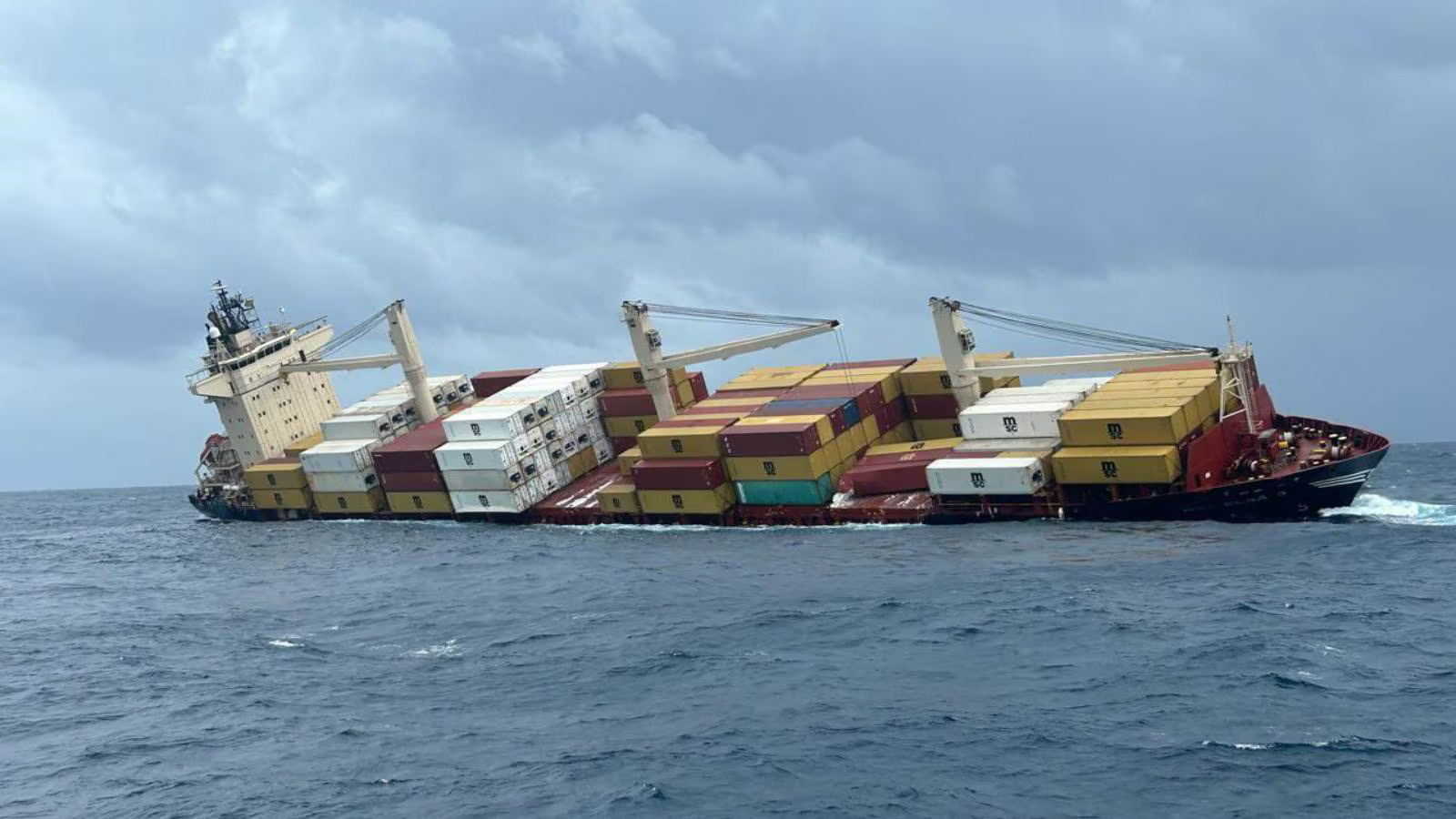
Maritime News, Kerala, India: The Kerala High Court has begun examining petitions filed by seven foreign crew members of the sunken vessel MSC Elsa 3, who are seeking the return of their passports and permission to leave India after remaining in Kochi for several months during investigations into the maritime casualty.
The crew members informed the court that they have fully cooperated with authorities investigating the sinking of the vessel and have continued to remain available for inquiries since the incident.
The case has now brought into focus an important maritime legal question: balancing accident investigations with the rights and liberty of seafarers who may be required as witnesses in future proceedings.
Court Raises Questions on Personal Liberty
Hearing the matter, Justice Bechu Kurian Thomas observed that the prolonged presence of crew members in India could raise concerns relating to personal liberty and fair trial principles.
The court noted that while investigations into maritime casualties are important, procedural requirements should not unnecessarily interfere with the broader interests of justice.
According to court observations, the presence of crew members could potentially be secured through appropriate conditions rather than requiring them to remain physically present throughout the duration of legal proceedings.
The judge indicated that mechanisms could be explored to ensure future participation in investigations or testimony if required.
Investigation Under Merchant Shipping Act
During the proceedings, the Additional Solicitor General informed the court that an application under Section 360 of the Merchant Shipping Act had been filed before the Judicial First Class Magistrate Court, Thoppumpady, on 12 September 2025.
The application seeks a formal investigation into the circumstances surrounding the sinking of MSC Elsa 3.
The High Court has directed its registry to obtain information from the magistrate court regarding the progress of the investigation and the reasons for any procedural delays since the filing of the application.
The court has also sought a detailed timeline outlining the expected completion of the investigation.
Examination of Key Ship Officers Under Review
As part of the ongoing inquiry, the court sought clarification regarding the proposed examination of the vessel’s:
- Master
- Chief Engineer
which is currently scheduled for 27 June 2026.
The High Court has requested information on whether these examinations can be advanced to an earlier date in order to facilitate faster progress in the investigation.
The outcome of this issue could influence decisions relating to the movement of crew members currently awaiting permission to leave India.
Court Signals Possible Conditional Release
During the hearing, Justice Thomas orally indicated that the court may be inclined to permit some crew members to leave India, subject to conditions that ensure their future availability when required by investigating authorities.
The court observed that modern legal mechanisms make it possible to secure witness participation without requiring indefinite physical presence in the country.
However, the final decision will depend on the findings and report submitted by the magistrate court regarding the status of the investigation.
Orders relating to some petitioners are expected after review of counter-affidavits, while others will be considered following receipt of the magistrate’s report.
Wider Implications for Maritime Casualty Investigations
The case is being closely watched within maritime circles because it highlights a recurring challenge faced after major shipping casualties.
In many jurisdictions, crew members often remain available for extended periods while investigations, insurance assessments and legal proceedings continue.
Maritime legal experts note that prolonged retention of seafarers following accidents can create:
- crew welfare concerns
- employment uncertainties
- financial hardship
- mental health pressures
while authorities seek to ensure accountability and establish the causes of maritime incidents.
The MSC Elsa 3 proceedings may therefore provide important judicial guidance on balancing casualty investigations with the rights of seafarers involved in maritime accidents.