
MARITIME NEWS DOSSIERS
THE COST OF SILENCE
PART V
INSIDE THE ENGINE ROOM
The engine room is more than a collection of machines. It is where engineering judgement, maintenance discipline and operational accountability meet.
“Machinery condition is understood not only through failure, but through the quality of the observations, records and decisions that precede it.”
Make us preferred source on Google
Editor’s Note
This Part examines engineering-related observations described by the reporting marine engineer during his service onboard MT Chapel. It draws on his written account, maintenance-related communications reviewed by Maritime News and photographs supplied during the editorial process. The material is presented as a record of reported observations and communications; it is not a substitute for contemporaneous onboard inspection, machinery testing, classification survey, flag-state inquiry or regulatory determination.
Where the reporting marine engineer describes a condition, judgement or practice, the account is attributed to him. Where documentary material supports the existence of a communication, Maritime News identifies that limited evidentiary point without assuming that every technical assertion in the communication was established. Photographs are interpreted only to the extent of what they visibly depict and the context reasonably available from the accompanying record.
Part V therefore considers how engine-room concerns may move from observation to documentation and escalation. It does not decide whether any particular defect existed in the precise form alleged, whether any response was technically adequate, or whether a statutory or regulatory breach occurred.
The Engine Room as an Integrated System
Every merchant vessel depends on the coordinated operation of its engine-room systems. Main propulsion provides the power to move the ship, but propulsion availability also depends on electrical generation, fuel preparation, lubrication, cooling, compressed air, pumping, automation and control. Firefighting equipment, bilge arrangements and pollution-prevention systems form part of the same operating environment.
These systems cannot be assessed in isolation. A loss of cooling may affect generators or propulsion machinery; an electrical fault may reduce the availability of pumps and alarms; a leaking pipe may create both machinery risk and a fire or pollution hazard. Redundancy can reduce the immediate consequence of a single failure, but redundancy itself must be available, maintained and tested.
For that reason, engine-room reliability is not measured only by whether machinery is running at a particular moment. It is also measured by operating parameters, alarm history, trends, leakage, vibration, contamination, abnormal noise, maintenance status, test results and the readiness of standby equipment. The professional task is to understand what an observed condition means within the wider system.
Engineering Beyond Repair
Marine engineering is often associated with restoring machinery after it has failed. In practice, much of the work is preventive. Engineers conduct rounds, compare pressure and temperature readings, inspect for leakage and wear, test safety devices, review alarms, manage lubricants and treatment systems, and record work through the vessel’s planned-maintenance and defect-reporting processes.
An observation is not automatically a diagnosis. A visible leak, unusual vibration or repeated alarm may justify investigation and control measures, but the cause and severity may require measurement, dismantling, specialist advice, manufacturer guidance or operation under defined conditions. Sound engineering therefore separates what was seen, what was measured, what was inferred and what was ultimately confirmed.
A professional maintenance process usually develops in stages. The condition is identified and recorded; its potential consequence is assessed; immediate safeguards or operating limitations are considered; responsibility and resources are assigned; repair is planned or undertaken; and the result is tested before the item is closed. Where permanent repair cannot be completed immediately, a documented temporary control may be appropriate, provided it is authorized, monitored and connected to a defined completion plan.
Maintenance Observations
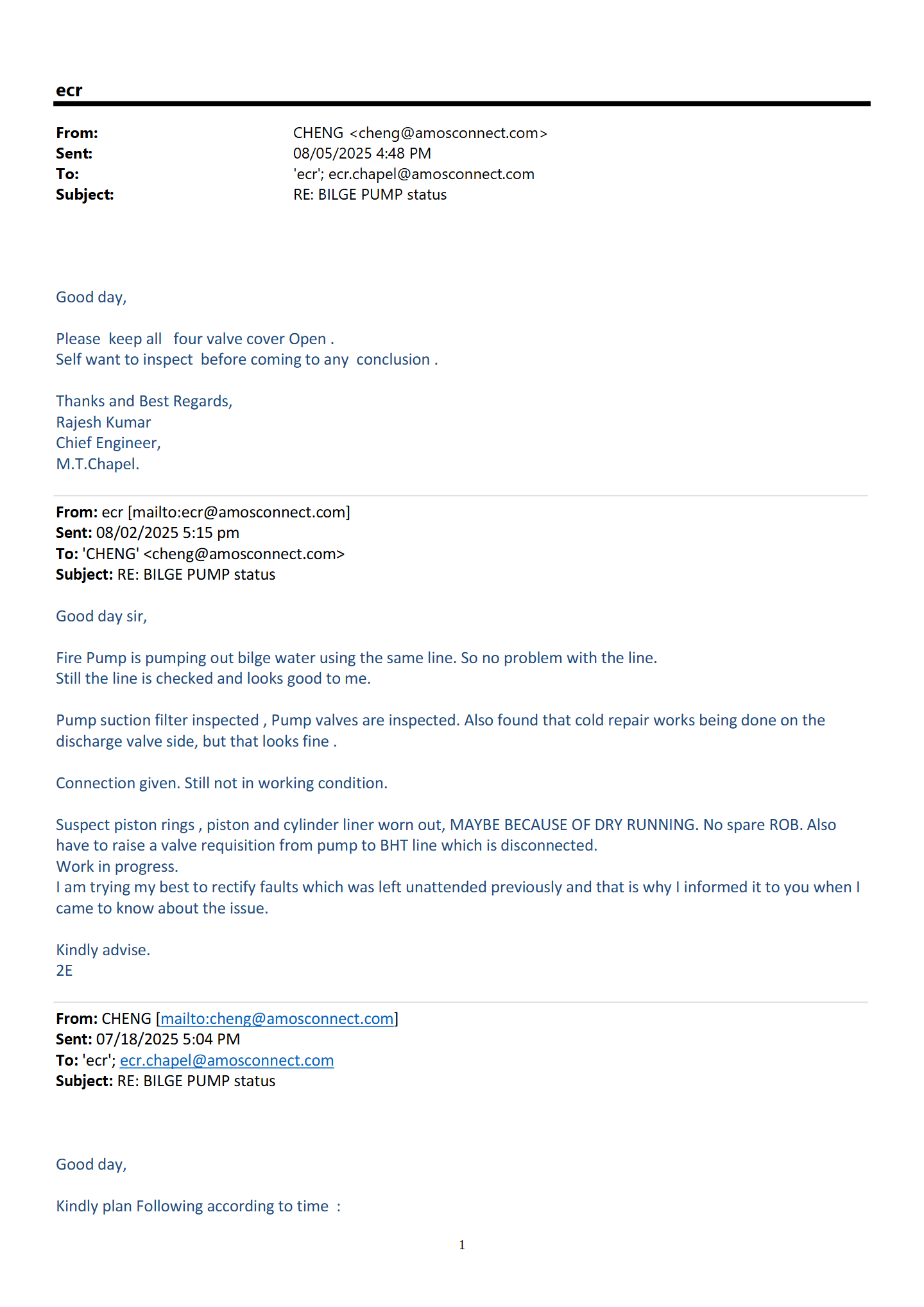
The documentary material reviewed by Maritime News includes internal communications concerning maintenance matters raised during the reporting marine engineer’s service. According to his account, some items required repeated attention and some remained matters of concern after their initial identification.
Maritime News has reviewed material supporting the existence of maintenance-related correspondence. The existence of that correspondence establishes that concerns were communicated through a recorded channel. It does not, by itself, determine the root cause or criticality of the reported condition, whether a temporary control was introduced, whether work was completed, or whether the technical response was adequate.
Those questions require the wider record: the original report, operating data, instructions from senior officers or shore management, risk assessments, requisitions, service reports, planned-maintenance entries, test results and close-out documentation. A repeated reference to the same item may demonstrate continuity of concern, but the significance of repetition depends on what occurred between the reports.
The reporting marine engineer states that he raised the matters to support corrective action through established technical-management procedures. This Part records that stated purpose and the documentary existence of related communications. It does not attribute motive to any person who received, assessed or responded to them.
Pollution-Prevention Equipment
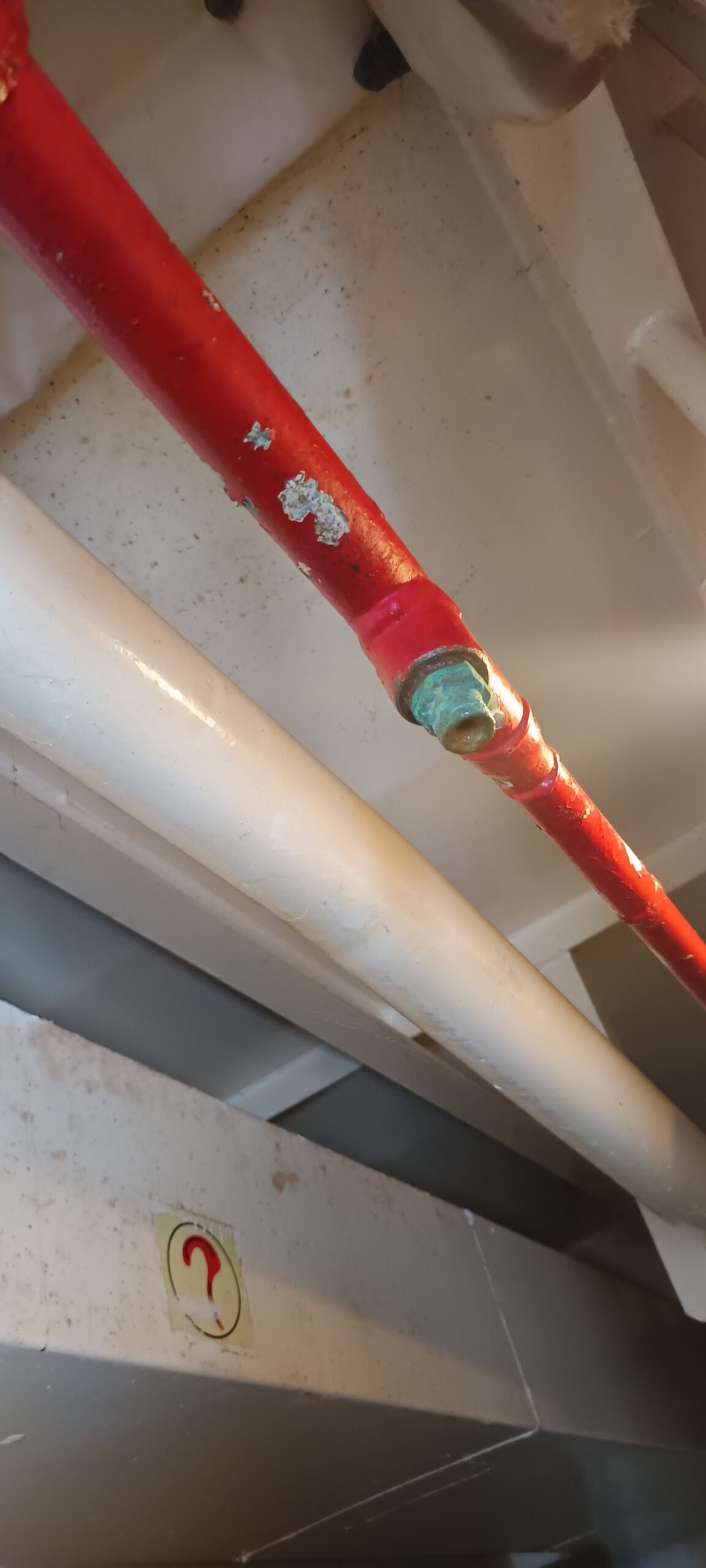
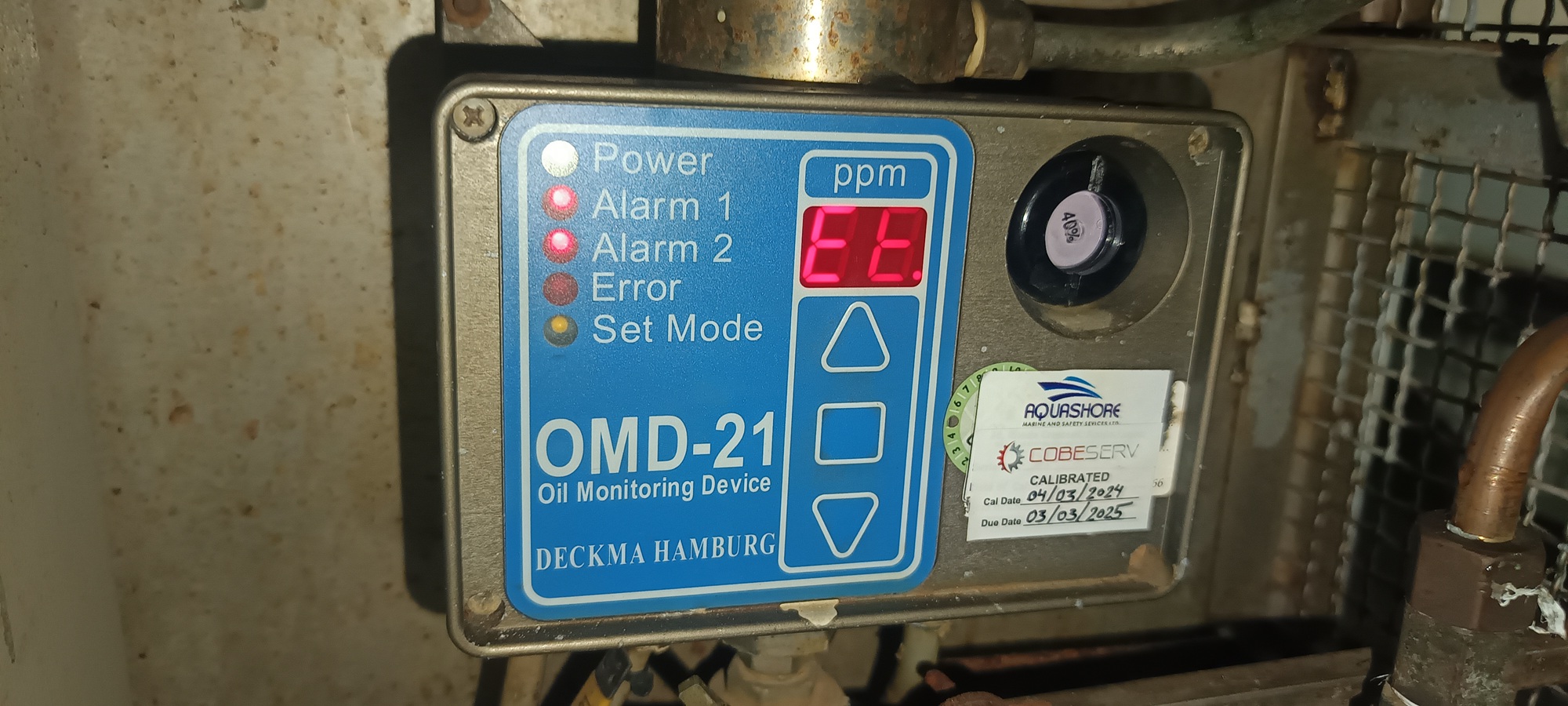
Among the matters described by the reporting marine engineer are concerns relating to equipment and practices associated with oily-water handling. Such matters are technically and legally sensitive because shipboard management of machinery-space bilge water may engage the International Convention for the Prevention of Pollution from Ships, commonly known as MARPOL, including the applicable Annex I framework and its implementation by the vessel’s flag administration.
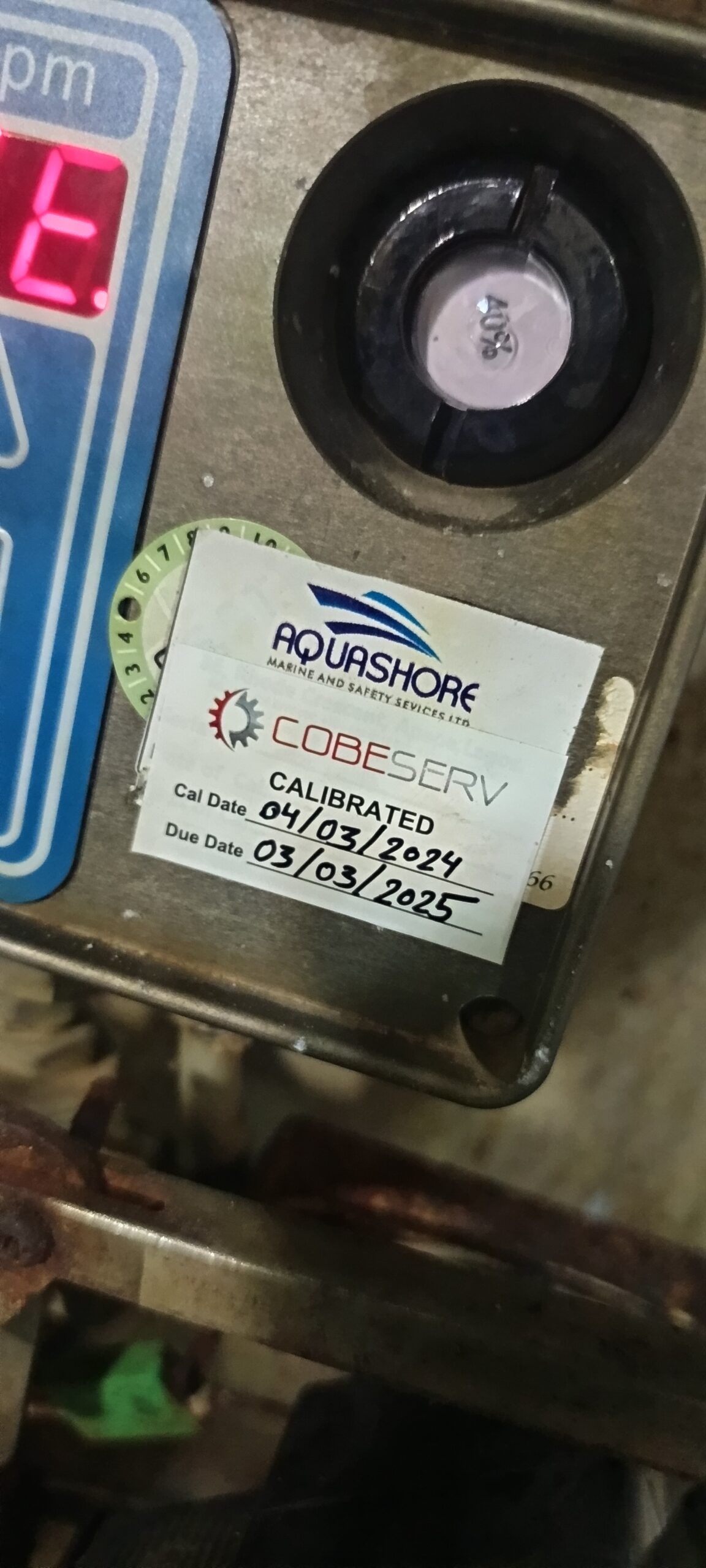
A responsible assessment would require more than a general description. Relevant evidence may include the equipment fitted and certified, its operating and monitoring arrangements, alarms, piping configuration, maintenance and calibration records, Oil Record Book entries, company procedures, training, shore instructions and the circumstances of any discharge, transfer, retention or disposal operation.
Mechanical condition, operational practice, documentary record and regulatory compliance are related but distinct questions. Equipment may be degraded while managed under a repair plan and safeguards; equipment may also appear operational while being incorrectly used or recorded. No conclusion on compliance can therefore be drawn from a single photograph, statement or maintenance message without the surrounding technical and documentary evidence.
In his written responses, the reporting marine engineer described what he believed to be operational concerns and practices inconsistent with accepted environmental procedures. Maritime News presents those statements as his account. It has not independently inspected the system or verified each assertion through a competent regulatory or survey finding.
The significance of this material within the Dossier is that the reporting marine engineer considered the issues important enough to document and preserve. Later Parts may examine the chronology and supporting records in greater detail, while maintaining the distinction between reported concern and established finding.
Engineering Responsibility and Decision Authority
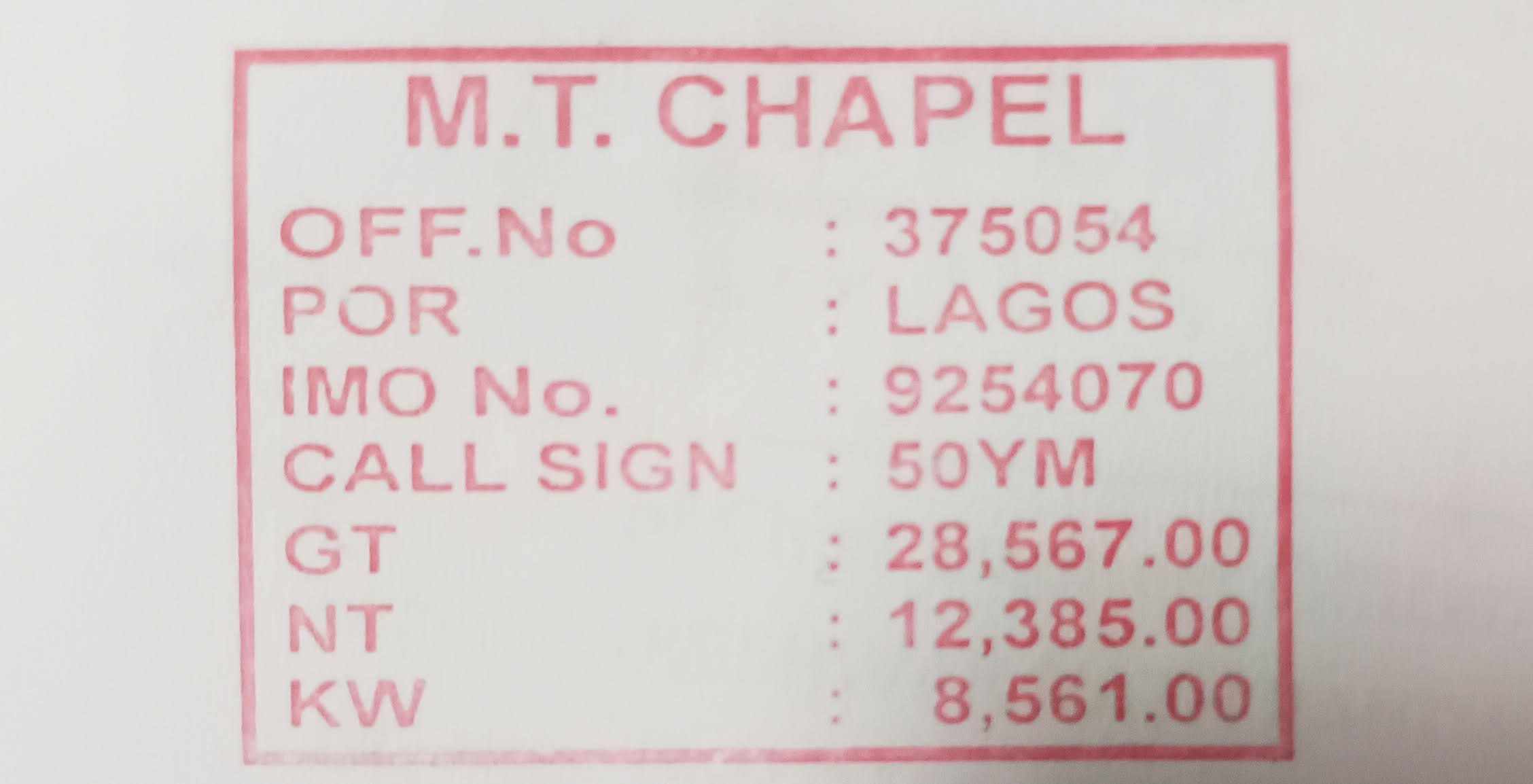
One recurring theme in the reporting marine engineer’s account is the relationship between technical responsibility and professional accountability. Engineers who identify an abnormal condition are expected to assess it within their competence, take any immediate action within their authority and report the matter through the ship’s established chain of command and safety-management system.
Responsibility, however, is not identical to final authority. The observing engineer may have a duty to record and communicate a concern, while decisions concerning operational restriction, procurement, permanent repair, specialist attendance, voyage planning or shore-side expenditure may rest with the chief engineer, master, technical superintendent, company management or another authorized party.
An effective reporting system should make those responsibilities visible. It should show who received the concern, how risk was evaluated, what instruction was given, what safeguards were applied, what resources were requested and how completion was verified. A system has limited value if it records the beginning of a concern but not the decision and evidence by which it was controlled or closed.
Engineering documentation therefore serves more than one purpose. It supports maintenance planning and continuity between watchkeepers, officers, relief personnel and shore management. It also creates an operational record of what was observed, communicated, decided and completed. That record can later assist audits, surveys, incident review and organizational learning.

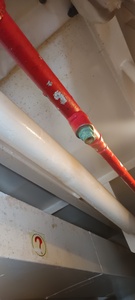

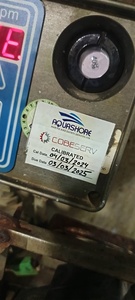
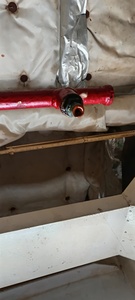
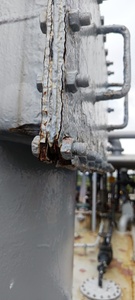
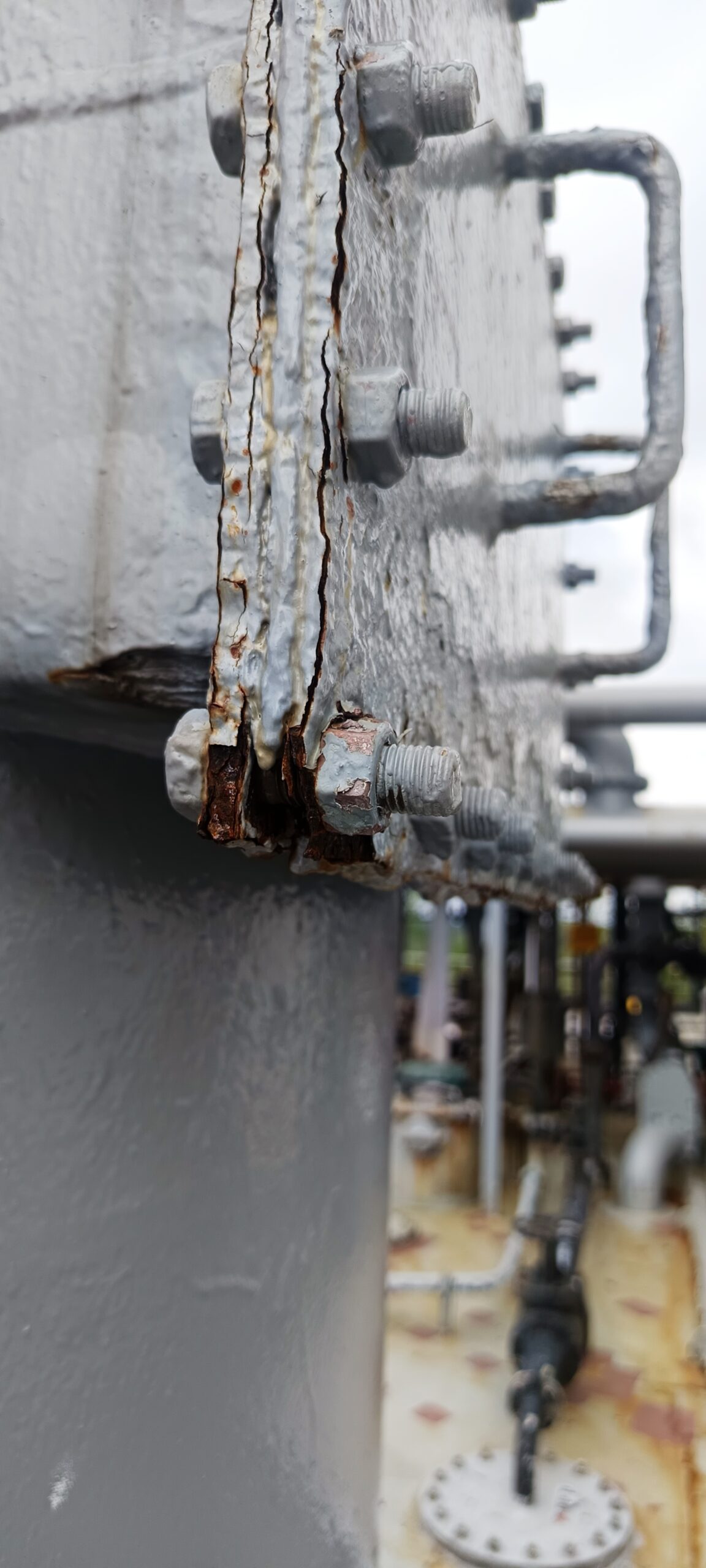
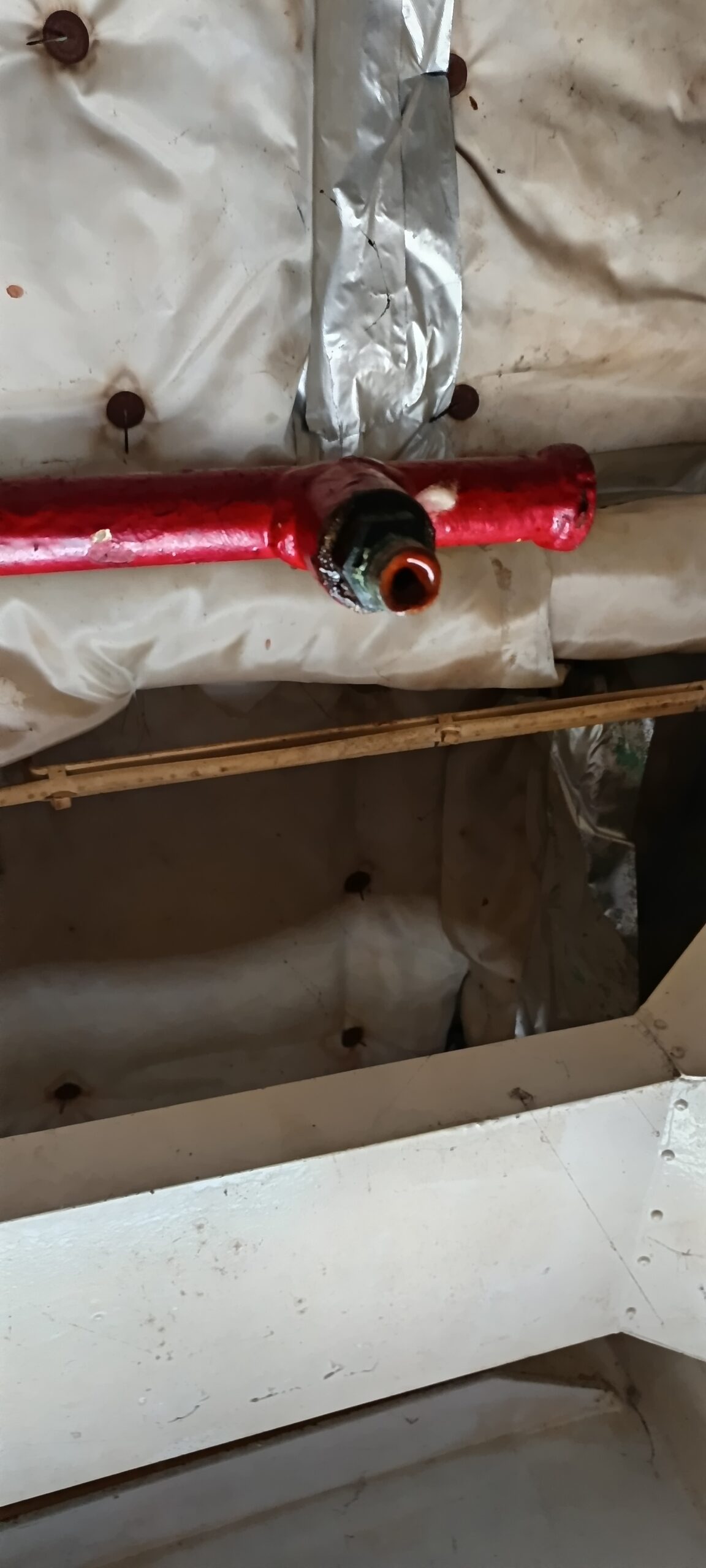
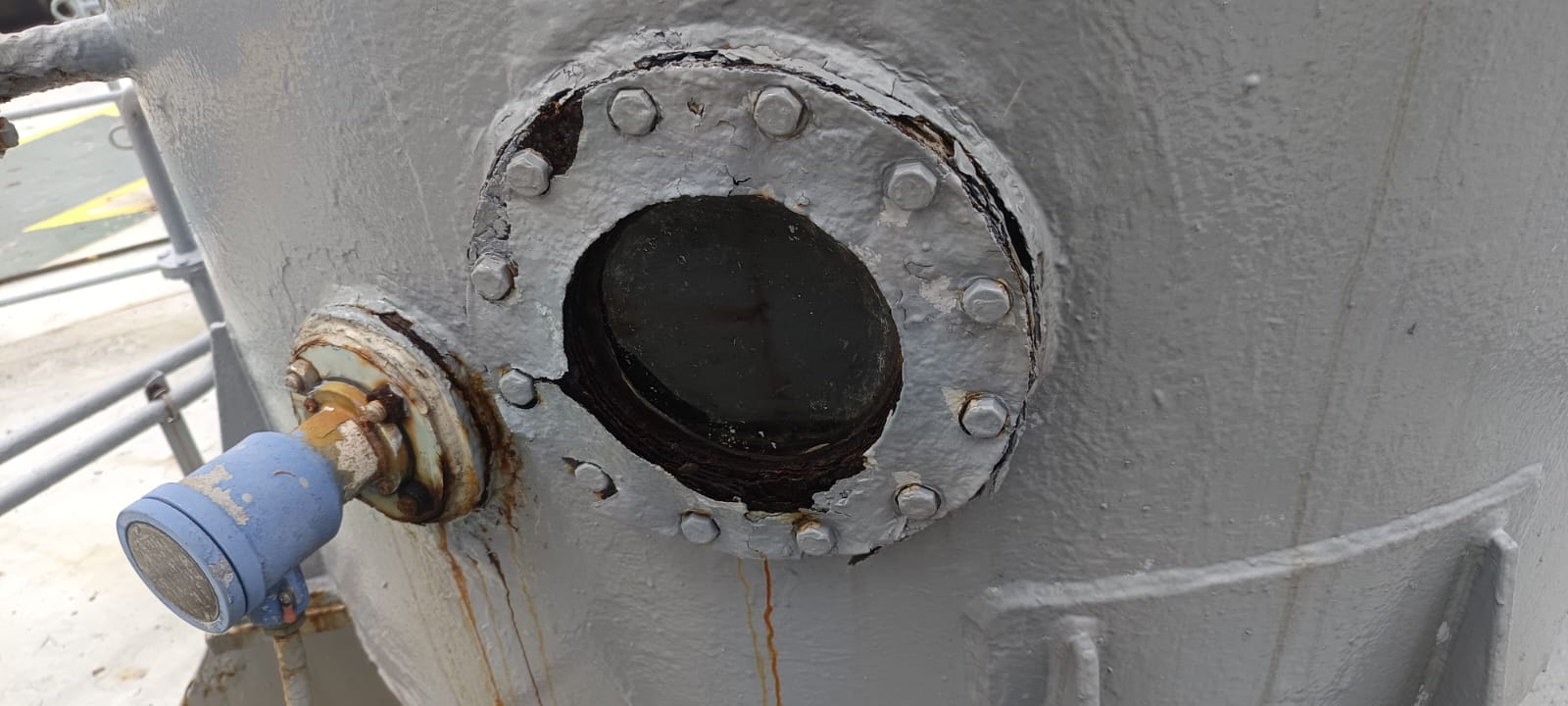
Maritime News also reviewed photographs supplied by the reporting marine engineer showing machinery, associated equipment and maintenance-related conditions within the engine room. According to him, the images illustrate aspects of his operational experience onboard.
Photographs can be useful documentary material. They may show a visible arrangement, external condition, leakage, corrosion, temporary repair or the state of a component at the moment the image was taken. Their technical meaning, however, depends on reliable identification of the component, date, location, viewpoint, scale, operating state and the records that accompany the image.
A photograph generally cannot establish internal condition, duration, load, pressure, temperature, alarm status, test performance or the reason why equipment was in a particular state. It may also depict work in progress rather than a completed operating arrangement. Maritime News therefore does not infer conclusions beyond what the images visibly support and what the reporting marine engineer attributes to them.
The photographs are most useful when read alongside dated communications, maintenance records and operational data. In that context, they may assist chronology or corroborate that a visible condition was recorded. They do not function as standalone proof of a broader machinery-management practice.
From Technical Concern to Documentary Record
The material reviewed by Maritime News illustrates a process familiar in professional engineering. A concern often begins as a routine observation during rounds, maintenance or operation. It may then be entered in a log, message, defect report or planned-maintenance record. Further communication may follow if the condition continues, if resources are required or if the engineer believes that the response has not resolved the issue.
Available dates and communications indicate that the record supplied for this Dossier accumulated during the period described, subject to the limitations of the material provided for editorial review. The reporting marine engineer later organized the documents and photographs into a coherent account after his service ended.
That sequence is relevant, but it should not be overstated. A contemporaneous report can support the fact that an observation or concern was recorded at the time; it does not automatically prove the technical conclusion expressed in it. Equally, the absence of a complete response within the material supplied does not establish that no response or action existed elsewhere.
A fair technical account therefore examines the record in layers: the condition reported, the evidence supporting it, the operational response, any temporary control, the corrective work, the test or verification, and the final close-out. Where one of those layers is unavailable, the limitation should remain visible to the reader.
Reflection
The engine room rarely attracts public attention. It is separated from the bridge, cargo interests and the outside world, yet it contains systems on which propulsion, electrical power, fire safety and environmental protection depend.
Maintenance culture cannot be judged from the appearance of machinery alone. It is also reflected in the quality of rounds, the accuracy of records, the willingness to report abnormal conditions, the competence of technical review and the discipline with which temporary and permanent actions are verified.
Readers may ultimately agree or disagree with particular observations made by the reporting marine engineer. The wider professional question is how an organization converts engineering information into accountable decisions. Documentation is not proof that every concern is correct, and it is not evidence that every response is inadequate. It is the framework through which those questions can be examined.
The maritime profession learns through observation, measurement, communication and review. Reliable machinery depends on all four. When the record clearly distinguishes what was seen, what was assessed, what was decided and what was completed, technical disagreement can be evaluated on evidence rather than assumption.
End of Part V
“Engineering excellence is demonstrated not only by machinery that operates reliably, but by the discipline to identify, assess and document concerns before reliability is tested.”
Continue Reading
← Return to The Cost of Silence – Maritime News Dossier 001
Next Part
“A ship’s condition is reflected not only in its machinery, but also in the environment in which its crew lives and works.”
Make us preferred source on Google
Reporting Basis: Reporting marine engineer’s written account; maintenance-related communications; machinery photographs supplied during the editorial process; and MaritimeNews editorial analysis.
Verification Note:
This Part records reported engineering observations, documentary communications and photographic material reviewed by Maritime News. The existence of a communication establishes that a concern was recorded or communicated; it does not, by itself, establish the technical cause, severity, adequacy of response or regulatory non-compliance.
Photographs are interpreted only for conditions visibly depicted and in the context reasonably available from the accompanying record. Determining machinery condition, technical causation or regulatory compliance may require contemporaneous inspection, machinery testing, operating data, maintenance records, survey findings, manufacturer guidance and regulatory or flag-state assessment.
Reporting by MaritimeNews Bureaus, Writing and Editing by Jaspal Singh Naol Technical review and revisions by Priyatham Sanjeeva Reddy Ramidi