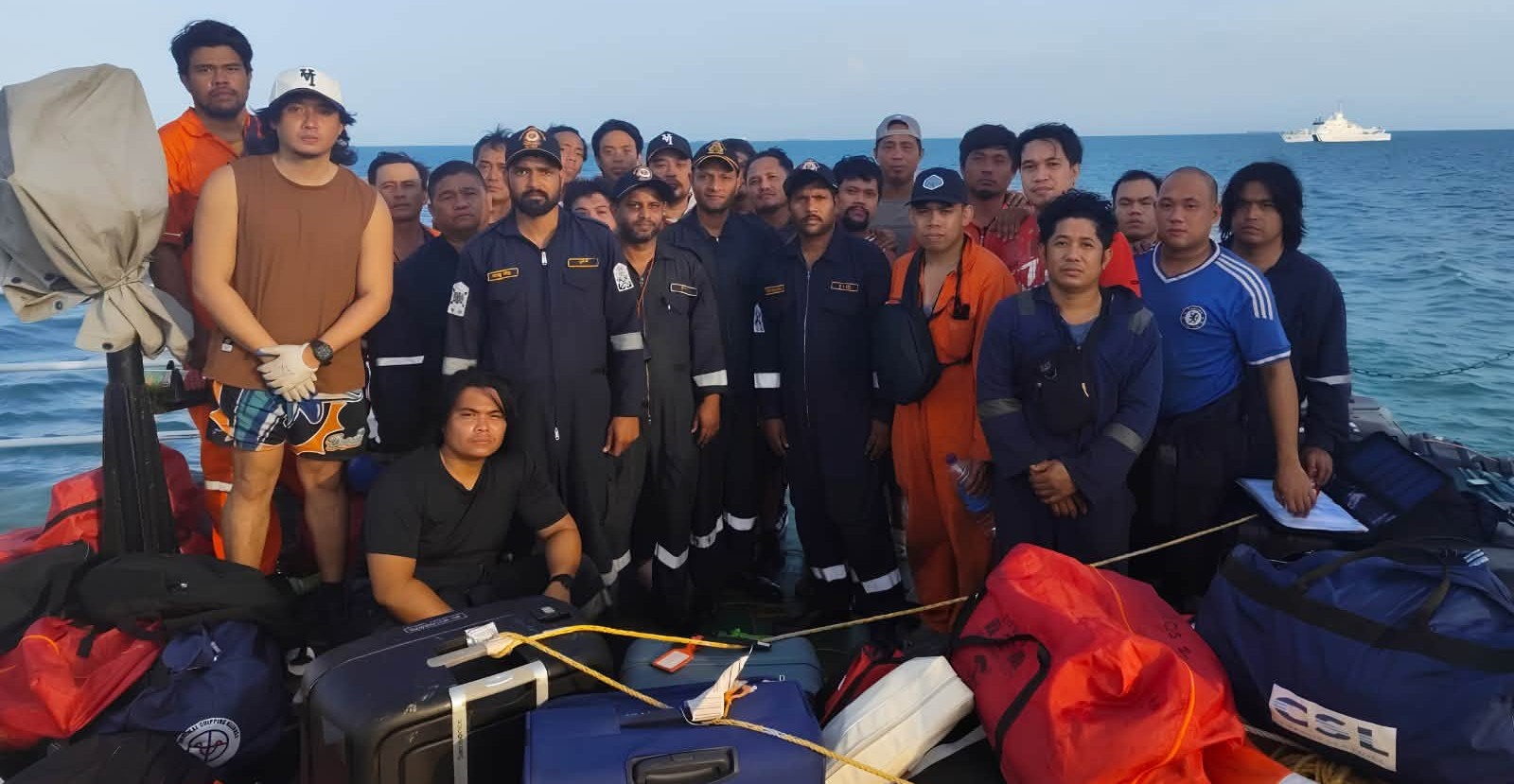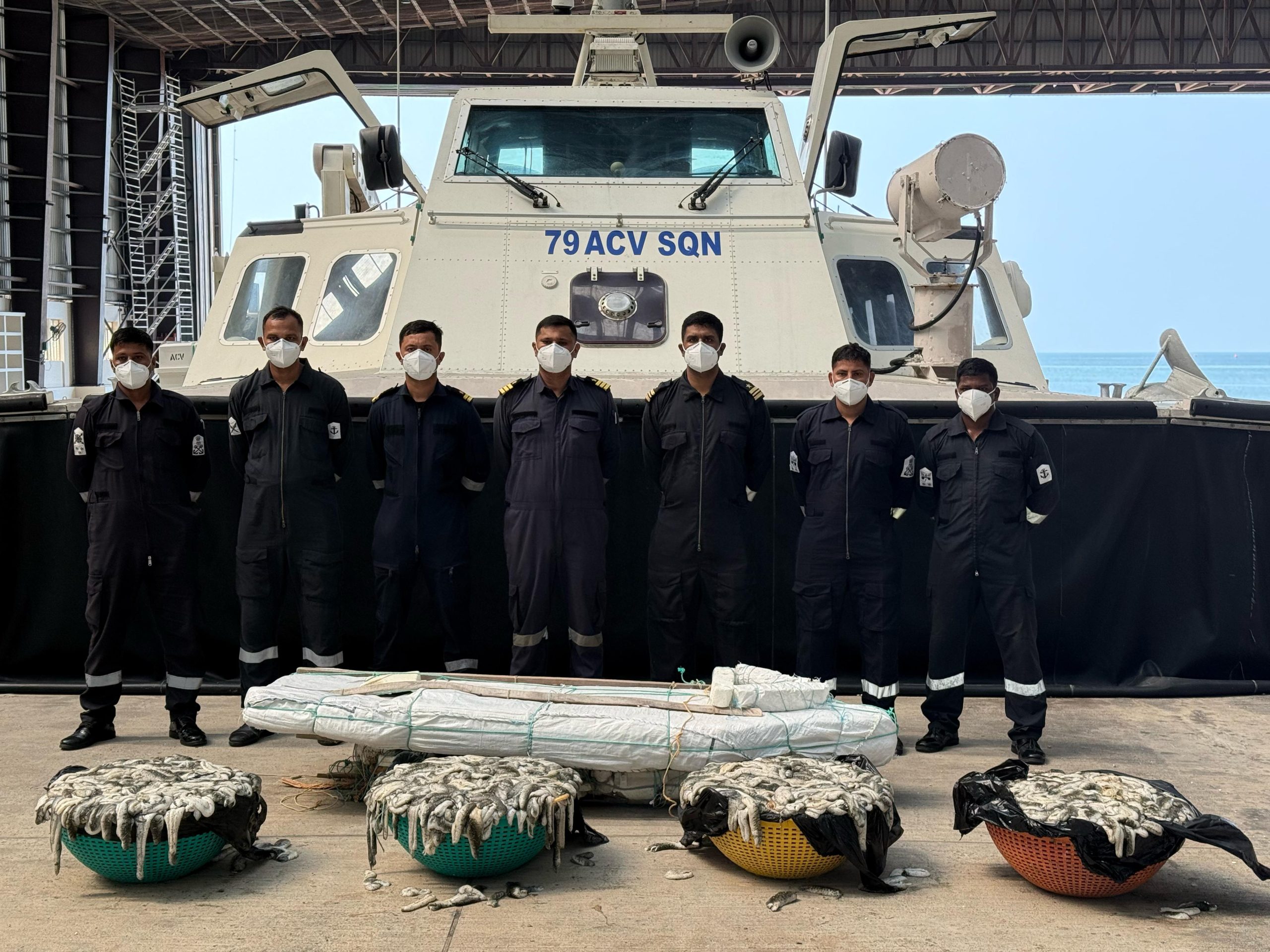

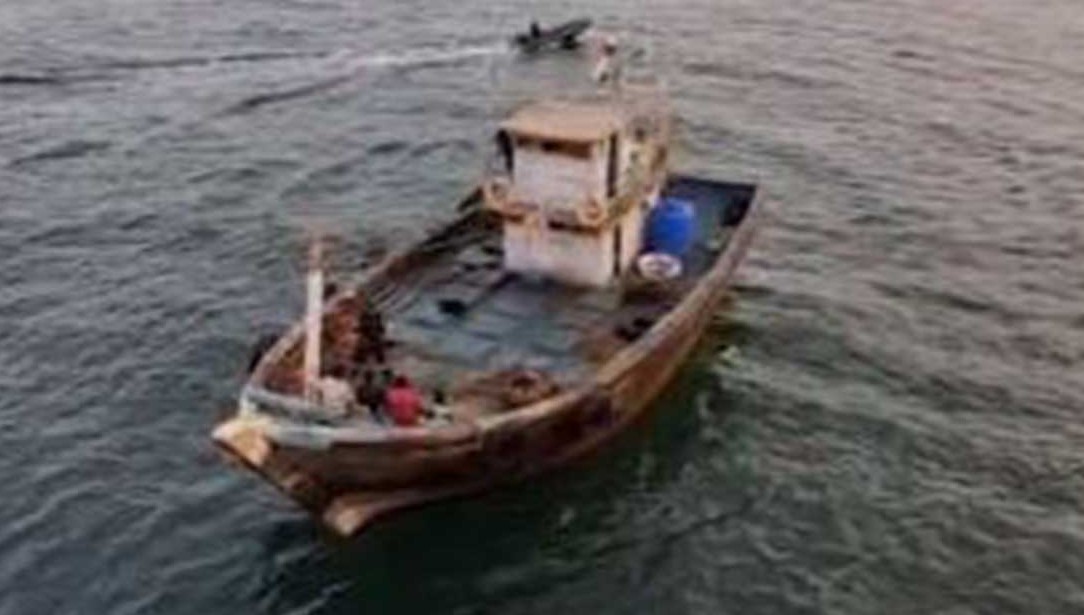
The Indian Coast Guard has intercepted a fishing vessel suspected of being involved in illicit diesel smuggling near an offshore oil rig off the Mumbai coast, recovering concealed cash of approximately ₹10 lakh and illicit liquor. Six crew members were taken along with the vessel to Mumbai Harbour for a joint investigation by multiple authorities
Make us preferred source on Google
Key Takeaways
- The Coast Guard acted on intelligence regarding unauthorised activity near an offshore oil rig off Mumbai.
- The operation began after intelligence was received at around 2:10 pm on September 10.
- The Coast Guard deployed its Advanced Offshore Patrol Vessel, ICGS Sankalp.
- The suspect vessel was intercepted and boarded during the hours of darkness.
- Approximately ₹10 lakh in unaccounted cash and illicit liquor were recovered.
- Six crew members were onboard the vessel.
- The vessel was escorted to Mumbai Harbour and handed over to the relevant authorities.
- A multi-agency investigation is examining the suspected smuggling network.
- The vessel has been identified in Coast Guard-related reporting as IFB Gauri Ganesh. (Marine Insight)
Mumbai, Maharashtra, India September 13, 2026 (Maritime News): The operation began after the Indian Coast Guard received intelligence at approximately 14:10 hours on September 10 regarding unauthorised activity near an offshore oil rig off the Mumbai coast.
The Coast Guard diverted its Advanced Offshore Patrol Vessel, ICG Ship Sankalp, to investigate the suspicious activity. According to reports based on the Coast Guard’s information, the vessel was subsequently intercepted and boarded under cover of darkness. (ThePrint)
The operation is significant because the activity was detected close to offshore oil infrastructure, an area where unauthorised vessels can create both security and operational concerns.
Six Crew Members Taken to Mumbai Harbour
Following the boarding operation, the Coast Guard conducted a comprehensive search of the vessel.
The search reportedly resulted in the recovery of:
- Approximately ₹10 lakh in concealed, unaccounted cash
- Illicit liquor
The vessel, together with its six crew members and the seized material, was escorted to Mumbai Harbour. The crew and vessel were subsequently handed over to the concerned authorities for further investigation. (ThePrint)
The Coast Guard-related account identifies the vessel as IFB Gauri Ganesh, which was apprehended by ICGS Sankalp during the operation. (Marine Insight)
Also Read: Hormuz Crisis Reshapes Gulf Shipping: What It Means for Indian Trade, Freight and Seafarers
Diesel Smuggling Remains a Suspicion Under Investigation
Importantly, the vessel has been described as suspected of involvement in diesel smuggling. The recovery of cash and illicit liquor forms part of the evidence being examined by the investigating authorities.
The Coast Guard has not, based on the sources reviewed for this report, established the complete smuggling network or conclusively determined the purpose of the recovered cash.
A joint investigation involving multiple law-enforcement agencies and maritime stakeholders has therefore been initiated to establish the wider network behind the suspected operation. (ThePrint)
That distinction is important: the interception and recovery are established events; the wider smuggling network remains subject to investigation.
Why the Offshore Location Matters
Mumbai’s offshore waters are not simply a shipping space. They support a range of maritime activities, including commercial shipping, fishing, offshore energy infrastructure and coastal economic activity.
An unauthorised vessel operating near an offshore oil installation can therefore raise questions beyond the immediate suspected smuggling activity.
The Coast Guard’s operation demonstrates the importance of maritime intelligence, surveillance and rapid interception capabilities around offshore installations.
The Indian Coast Guard states that it works with central and state law-enforcement and intelligence agencies to disrupt and deter maritime smuggling. Its official anti-smuggling and narcotics-control information records extensive seizures and interceptions carried out in coordination with other agencies. (Indian Coast Guard)
From Intelligence to Interception: How the Operation Unfolded
Based on the available reports, the sequence was:
Intelligence received → offshore patrol vessel diverted → suspicious vessel located → night-time boarding → vessel searched → cash and illicit liquor recovered → six crew members detained for investigation → vessel escorted to Mumbai Harbour → multi-agency investigation initiated.
This sequence highlights the importance of converting maritime intelligence into an operational response before suspicious activity can move beyond the surveillance area.
The People at the Centre: Six Crew Members
While the suspected smuggling activity is the principal focus of the investigation, the six crew members aboard the vessel are also directly affected by the enforcement action.
Their individual roles, knowledge of the vessel’s activities and involvement, if any, will have to be established through the investigation.
A fair investigation should therefore distinguish between:
- the vessel and its ownership;
- the operator or chartering arrangements, if applicable;
- the person responsible for the suspected illicit activity;
- the individual crew members;
- the origin and intended destination of the suspected diesel;
- the source and intended recipient of the recovered cash; and
- any wider network supporting the operation.
At this stage, the available reports do not establish those individual responsibilities.
What the Investigation Now Needs to Establish
The next stage is more important than the interception itself.
Investigators will need to establish:
1. Where did the suspected diesel originate?
The available reports describe the vessel as suspected of diesel smuggling, but do not establish the source of the fuel.
2. Where was the fuel allegedly being taken?
The intended destination and recipient would be important to understanding whether the operation was isolated or part of a larger network.
3. Who owned or controlled the vessel?
Establishing ownership, operation and financial control could help investigators determine the organisational structure behind the activity.
4. Why was the vessel near the offshore oil rig?
This is particularly relevant because the interception followed intelligence concerning unauthorised activity in the vicinity of an offshore oil installation.
5. What is the origin of the recovered cash?
The approximately ₹10 lakh in unaccounted cash could provide an important investigative lead, subject to verification by the competent authorities.
6. Was the illicit liquor connected to the suspected diesel operation?
The recovery of liquor is a separate fact that investigators will need to examine in the context of the vessel’s activities.
Also Read: Cochin Shipyard and Drydocks World Sign 50:50 JV to Build India’s Global Ship Repair Ambition
Maritime Security Is Also Economic Security
The incident illustrates a wider maritime-security challenge.
India’s offshore waters accommodate commercial vessels, fishing boats, offshore energy infrastructure and other maritime users simultaneously. Effective maritime security therefore depends not only on naval and Coast Guard assets but also on maritime domain awareness, intelligence sharing, vessel identification and coordination among enforcement agencies.
The Coast Guard’s official anti-smuggling framework specifically emphasises coordination with central and state law-enforcement and intelligence agencies. (Indian Coast Guard)
For Mumbai and Maharashtra, where maritime activity extends from fishing communities and coastal shipping to major ports and offshore energy installations, such coordination has direct implications for both economic activity and coastal security.
Mumbai’s Maritime Security Layer
The operation also shows why offshore security cannot be considered separately from the wider Mumbai maritime ecosystem.
The Mumbai coast connects:
- fishing communities;
- offshore oil and gas infrastructure;
- commercial shipping;
- ports and terminals;
- coastal transport;
- bunkering and marine services;
- law-enforcement agencies; and
- national maritime-security infrastructure.
A suspicious vessel operating close to one part of this system can potentially affect several others.
The Coast Guard’s interception therefore represents not only an anti-smuggling action but also a maritime-domain-awareness intervention.
What Happens Next?
The vessel and its six crew members have been handed over to the relevant authorities, while a joint investigation is underway. (Daily Excelsior)
The investigation should now establish the full chain behind the suspected operation rather than stopping at the seizure of the vessel.
For maritime security agencies, the key question is not simply “What was found on the boat?”
It is:
Who organised the operation, where did the suspected fuel come from, who was supposed to receive it, and how did the vessel reach the offshore location without earlier detection?
The answers could determine whether this was an isolated incident or part of a wider coastal smuggling network.
MaritimeNews Insight
The Mumbai interception demonstrates the value of intelligence-led maritime enforcement.
The Coast Guard did not merely discover a suspicious vessel during routine patrol. Intelligence regarding unauthorised activity was reportedly received, an offshore patrol vessel was diverted, the vessel was intercepted, searched and brought into port, and multiple agencies were then brought into the investigation. (ThePrint)
The real test, however, will be what follows.
A successful maritime-security operation should ultimately connect interception → investigation → network identification → prosecution → prevention.
If the investigation identifies the people, financial channels, fuel sources and logistical arrangements behind the suspected operation, the Mumbai interception could provide much more than a single seizure. It could help authorities understand how illicit fuel movements are organised in India’s coastal waters.
For coastal communities, legitimate fishing operators and the wider maritime industry, effective enforcement also matters because illegal activity can undermine trust, create additional scrutiny for legitimate vessels and increase security risks around busy offshore waters.
Also Read: India Moves to Build a Global Hub for Ship Ownership, Leasing and Maritime Finance Through GIFT City
Sources & External References
- Marine Insight — Indian Coast Guard Intercepts Vessel Suspected of Oil Smuggling Off Mumbai
- ThePrint/PTI — Coast Guard Apprehends Vessel Suspected of Diesel Smuggling Off Mumbai Coast
- ANI — ICG Foils Illicit Diesel Smuggling Bid Near Offshore Oil Rig Off Mumbai Coast
- Daily Excelsior — Indian Coast Guard Seizes Vessel Off Mumbai Coast; Rs 10 Lakh Cash, Illicit Liquor Recovered
- Indian Coast Guard — Anti-Smuggling and Narcotics Control
Editorial note: The vessel’s identification as IFB Gauri Ganesh comes from Coast Guard-related reporting, while the PTI/ThePrint and Daily Excelsior accounts describe it generically as the intercepted vessel. The suspected diesel-smuggling activity and the broader network remain subject to investigation. (Marine Insight)
Make us preferred source on Google
Reporting by MaritimeNews Bureaus, Writing by Harpal S Naol; Editing by Jaspal Singh Naol.