
Maharashtra Chief Minister Says Integrated Port-Rail-Expressway Network Could Extend Benefits of Port-Led Development from 15% to 75% of the State
Make us preferred source on Google
MaritimeNews Summary
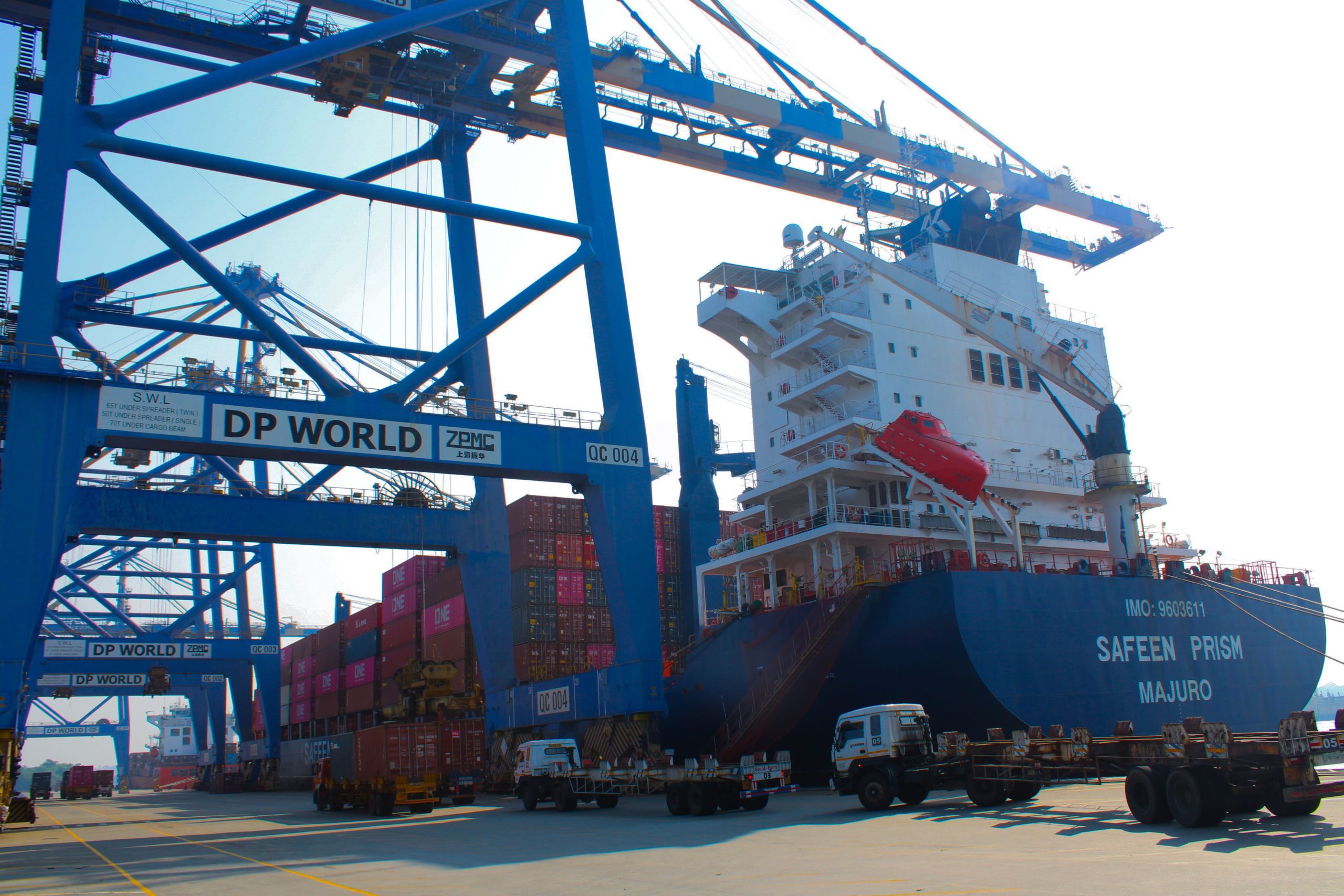
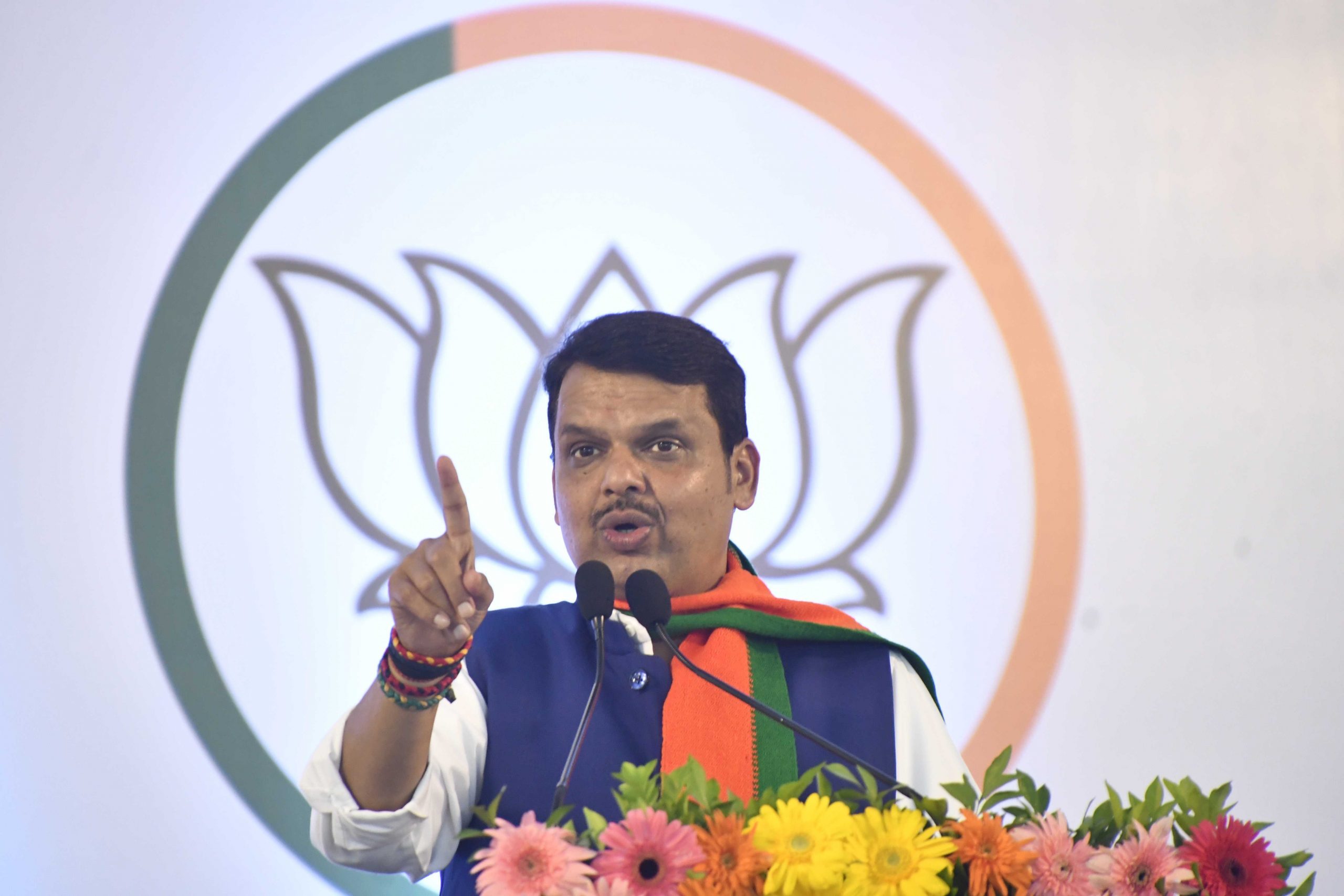
Maharashtra Chief Minister Devendra Fadnavis has proposed the creation of a dedicated rail freight corridor connecting Jawaharlal Nehru Port Authority (JNPA) and the upcoming Vadhvan Port with the Mumbai-Nagpur Samruddhi Expressway. The proposal aims to strengthen hinterland connectivity, reduce logistics costs, improve cargo movement and expand the economic benefits of Maharashtra’s port infrastructure far beyond the coastal belt. If implemented, the project could emerge as one of India’s most significant multimodal logistics initiatives.
Key Takeaways
- Maharashtra has proposed a dedicated rail freight corridor connecting JNPA and Vadhvan Port to the Samruddhi Expressway corridor.
- The proposal seeks to reduce logistics costs and improve cargo evacuation from major ports.
- Fadnavis stated that port-led development currently benefits only 15% of Maharashtra but could potentially reach 75% through stronger connectivity.
- The corridor could integrate ports, industrial clusters, logistics parks, manufacturing centres and inland markets.
- The proposal complements PM Gati Shakti, Dedicated Freight Corridors and Maharashtra’s industrial growth ambitions.
- Mumbai and Pune are being positioned as India’s emerging “Quantum Valley” with improved connectivity expected to accelerate technology and innovation-led growth.
Maharashtra’s Next Logistics Vision Takes Shape
Mumbai, Maharashtra, India, June 22 (Maritime News) – In a proposal that could reshape freight transportation across western India, Maharashtra Chief Minister Devendra Fadnavis has suggested the development of a dedicated rail freight corridor linking key maritime gateways such as JNPA and the upcoming Vadhvan Port with the Mumbai-Nagpur Samruddhi Expressway.
The proposal represents more than a transport project. It signals a broader shift towards integrated logistics planning where ports, railways, highways, industrial clusters and logistics parks function as a unified economic ecosystem rather than isolated infrastructure assets.
According to Fadnavis, stronger connectivity could help ensure that the benefits of Maharashtra’s maritime infrastructure extend beyond coastal districts and reach much larger parts of the state economy.
Also Read: The Growing Conflict Over Vadhvan Port
Why the Proposal Matters
India’s logistics costs remain relatively high compared with major manufacturing economies. One of the principal reasons is the disconnect between ports and inland industrial markets.
While significant investments have been made in ports, highways and industrial corridors, cargo movement between these assets often remains fragmented.
The proposed freight corridor seeks to address this challenge by creating a direct logistics backbone connecting:
- JNPA
- Vadhvan Port
- Mumbai Metropolitan Region
- Navi Mumbai
- Pune
- Nashik
- Chhatrapati Sambhajinagar
- Nagpur
- Inland logistics hubs
- Industrial and manufacturing clusters
If executed effectively, the project could strengthen Maharashtra’s role as India’s leading logistics and trade gateway.
The Real Strategic Significance
The proposal reflects a larger transition in infrastructure thinking.
For years, India’s focus was on building ports.
Today, the challenge is no longer port creation but port connectivity.
A port’s competitiveness increasingly depends on how quickly cargo can move between:
- Ship
- Port terminal
- Rail network
- Logistics park
- Factory
- Consumer market
Under this lens, the proposed freight corridor is not simply a railway project.
It is a supply-chain competitiveness project.
It is also an economic integration project.
Also Read: JNPA’s Industrial Expansion Plan Raises Questions Over Navi Mumbai’s Port Region
Geography Impact Assessment
Immediate Geography Winners
JNPA Region
Improved rail evacuation could reduce congestion and strengthen container movement.
Vadhvan Port Region
Future cargo volumes could gain direct access to Maharashtra’s industrial hinterland.
Navi Mumbai
Greater integration between logistics infrastructure, industrial development and maritime trade.
Mumbai Metropolitan Region
Reduced freight pressure on urban transportation networks.
Medium-Term Geography Winners
Pune
Enhanced export access for manufacturing, automotive and technology sectors.
Nashik
Improved opportunities for agriculture exports, warehousing and industrial logistics.
Chhatrapati Sambhajinagar
Potential growth in manufacturing-linked freight movement.
Jalna
Better connectivity for steel and industrial cargo.
Long-Term Geography Winners
Nagpur
Could emerge as one of India’s most important inland logistics gateways.
Vidarbha
May gain stronger integration with international trade routes.
Central India
Improved access to western India’s maritime gateways.
Also Read: JNPA’s Floating Waste and Oil Spill Under Scrutiny
Economic Impact
The proposal has the potential to generate long-term economic benefits beyond transportation.
Expected outcomes include:
- Lower logistics costs.
- Improved export competitiveness.
- Faster cargo evacuation.
- Increased industrial investment.
- Higher freight efficiency.
- Greater warehousing demand.
- Expansion of logistics parks.
- Improved manufacturing competitiveness.
If successfully integrated with PM Gati Shakti and Dedicated Freight Corridor initiatives, the economic multiplier could extend across multiple sectors.
Logistics Impact
Potential logistics benefits include:
- Increased rail freight utilisation.
- Reduced dependence on road freight.
- Faster container movement.
- Improved cargo reliability.
- Better multimodal integration.
- Reduced congestion around ports and urban areas.
The proposal aligns with India’s objective of reducing logistics costs and increasing freight movement through rail.
Trade Impact
For exporters and importers, stronger hinterland connectivity could mean:
- Lower transportation costs.
- Improved delivery predictability.
- Reduced cargo handling delays.
- Greater competitiveness in international markets.
The corridor could become particularly important as India seeks to increase manufacturing exports and strengthen supply-chain resilience.
Infrastructure Impact
The proposal complements several ongoing and planned projects:
- Vadhvan Port Development
- JNPA Expansion
- Dedicated Freight Corridors
- Samruddhi Expressway
- PM Gati Shakti
- Multimodal Logistics Parks
- Industrial Corridor Development
Rather than functioning independently, these projects could operate as an integrated logistics ecosystem.
Industry Impact
Ports
Greater cargo handling efficiency and improved hinterland access.
Shipping Lines
Potentially faster cargo evacuation and improved service reliability.
Logistics Companies
Expansion opportunities in rail-linked logistics.
Manufacturers
Reduced supply-chain costs and improved market access.
Warehouse Developers
Potential demand growth along future freight corridors.
Policy Implications
The proposal reflects a growing policy recognition that future competitiveness will depend not only on port capacity but also on the efficiency of inland connectivity.
It also aligns closely with national priorities under:
- PM Gati Shakti
- National Logistics Policy
- Maritime India Vision 2030
- Viksit Bharat 2047
What Happens Next
At present, the proposal remains at a strategic vision stage.
Several critical questions remain unanswered:
- Will a Detailed Project Report (DPR) be commissioned?
- What alignment will be selected?
- How will the project be funded?
- What role will Indian Railways play?
- Will the corridor integrate with existing Dedicated Freight Corridors?
- What land acquisition requirements will arise?
The answers will determine whether the proposal evolves into an executable infrastructure project.
Recommendations & Preparedness Matrix
Government Recommendations
- Commission a comprehensive feasibility study.
- Integrate planning with PM Gati Shakti.
- Ensure coordination between rail, port and highway authorities.
- Identify future logistics nodes and freight hubs.
Regulatory Recommendations
- Establish a multimodal governance framework.
- Track logistics performance indicators.
- Monitor cargo growth projections.
Industry Recommendations
- Assess future freight routing opportunities.
- Prepare for greater rail-based logistics integration.
- Evaluate investments in logistics parks and freight terminals.
Stakeholder Preparedness
Exporters, logistics operators, industrial developers and investors should monitor policy announcements, project approvals and freight demand studies.
MaritimeNews Insight
The proposal highlights an important reality. Maharashtra’s next logistics challenge is no longer building ports. It is connecting ports to factories, logistics parks, industrial corridors and consumer markets.
If JNPA represents today’s gateway and Vadhvan represents tomorrow’s gateway, then a dedicated freight corridor could become the missing logistics backbone connecting both to Maharashtra’s economic heartland.
MaritimeNews Critique
While the proposal is strategically significant, it remains conceptual.
No DPR, funding structure, implementation roadmap or railway approval has yet been announced.
Without these elements, the proposal remains a vision rather than a project.
Stakeholders should therefore distinguish between strategic intent and execution certainty.
Risk Assessment
Potential risks include:
- Project approval delays.
- Funding challenges.
- Land acquisition complexities.
- Environmental clearances.
- Coordination among multiple agencies.
- Future capacity constraints elsewhere in the network.
Opportunity Assessment
The proposal creates opportunities to:
- Expand rail freight.
- Strengthen port connectivity.
- Develop logistics parks.
- Improve manufacturing competitiveness.
- Attract infrastructure investment.
- Enhance export growth.
Stakeholder Impact Matrix
Who Benefits and How?
JNPA and Vadhvan Port
Improved cargo evacuation and stronger hinterland connectivity.
Exporters and Importers
Reduced logistics costs and improved reliability.
Manufacturers
Better access to domestic and global markets.
Logistics Companies
Expanded freight and warehousing opportunities.
Who Is Impacted and How?
Road-Based Freight Networks
Potential modal shift toward rail.
Existing Logistics Hubs
Competitive dynamics may change as new freight corridors emerge.
What Must They Do to Remain Unimpacted?
Adapt logistics strategies, invest in multimodal capabilities and align with future freight flows.
Who Should Watch and Why?
- JNPA
- Vadhvan Port
- Indian Railways
- Logistics Parks
- Exporters
- Manufacturing Clusters
- Infrastructure Investors
Because the proposal could influence cargo movement patterns across western and central India.
What Preparations Should They Make?
Monitor DPR developments, land acquisition plans, corridor alignments and investment opportunities.
MaritimeNews Stakeholder Impact Pyramid
Grassroots Stakeholders
Potential employment opportunities through construction, logistics and industrial expansion.
Operational Stakeholders
Rail operators, logistics providers and cargo handlers benefit from greater efficiency.
Professional Stakeholders
Supply-chain managers, freight planners and logistics consultants gain new opportunities.
Business Stakeholders
Manufacturers, exporters and importers benefit from lower transportation costs.
Industry Leaders
Ports, logistics firms and infrastructure developers gain strategic growth opportunities.
Strategic Investors
Long-term investment opportunities may emerge across logistics, warehousing, freight terminals and industrial corridors.
FAQ
What has Maharashtra proposed?
A dedicated rail freight corridor connecting JNPA and Vadhvan Port with the Samruddhi Expressway corridor.
Why is the proposal important?
It seeks to reduce logistics costs and improve cargo connectivity between ports and inland markets.
Which ports would benefit?
JNPA and the upcoming Vadhvan Port.
Is the project approved?
No. It remains a strategic proposal and further studies and approvals are expected.
How could it affect Maharashtra?
It could significantly expand the economic reach of port-led development and strengthen multimodal logistics infrastructure across the state.
Make us preferred source on Google
Source: Media Reports
Reporting by MaritimeNews Bureaus, Writing by Harpal S Naol; Editing by Jaspal Singh Naol.