
Official communication confirms diplomatic engagement with Iran continues following NHRC directions; only six India-bound vessels remained awaiting clearance as of 29 June
Make us preferred source on Google
MaritimeNews Continuing Coverage | Indian Seafarers & Gulf Crisis
Story Continuity Index (SCI)
Original Story : NHRC Directs MEA to Act on Safety Concerns of 2,000 Indian Seafarers Amid Gulf Tensions
Published: 20 June 2026
Key Takeaways
- MEA has begun action in response to NHRC directions on Indian seafarer safety.
- The matter has been referred to the PAI Division for diplomatic engagement with Iran.
- Six India-bound vessels remained awaiting Iranian clearance as of 29 June 2026.
- The case demonstrates coordination between NHRC, MEA and the Ministry of Ports, Shipping and Waterways.
- MaritimeNews’ June 20 report has progressed from a human rights complaint to an active government response.
Hyderabad, Telangana, India, July 07 (Maritime News) –India’s institutional response to concerns over the safety and welfare of Indian seafarers affected by the Persian Gulf crisis has entered a new phase. Official communications reviewed by MaritimeNews confirm that the Ministry of External Affairs has initiated action following directions issued by the National Human Rights Commission and has referred the matter to the appropriate division for diplomatic engagement with Iran. The latest update also indicates that, based on information shared by the Ministry of Ports, Shipping and Waterways, only six India-bound vessels remained awaiting Iranian clearance as of 29 June 2026, suggesting that the operational situation has improved since the original complaint was filed.
India’s Diplomatic Response Moves Forward
India’s response to concerns surrounding Indian seafarers affected by heightened tensions in the Persian Gulf has progressed from a human rights intervention to active diplomatic engagement, with the Ministry of External Affairs confirming that it is pursuing the matter with the Iranian authorities following directions issued by the National Human Rights Commission (NHRC).
Official correspondence reviewed by MaritimeNews shows that, in compliance with the NHRC’s order dated 19 June 2026, the Ministry circulated the Commission’s directions internally before referring the matter to its PAI Division. The Director (Gulf), Ministry of External Affairs, subsequently informed the complainant that the PAI Division was continuously taking up the issue with the Iranian side.
The development marks the first official confirmation that India’s diplomatic machinery has formally engaged with the matter following the NHRC’s intervention.
Operational Situation Shows Signs of Improvement
The latest communication also provides an updated operational assessment of the situation.
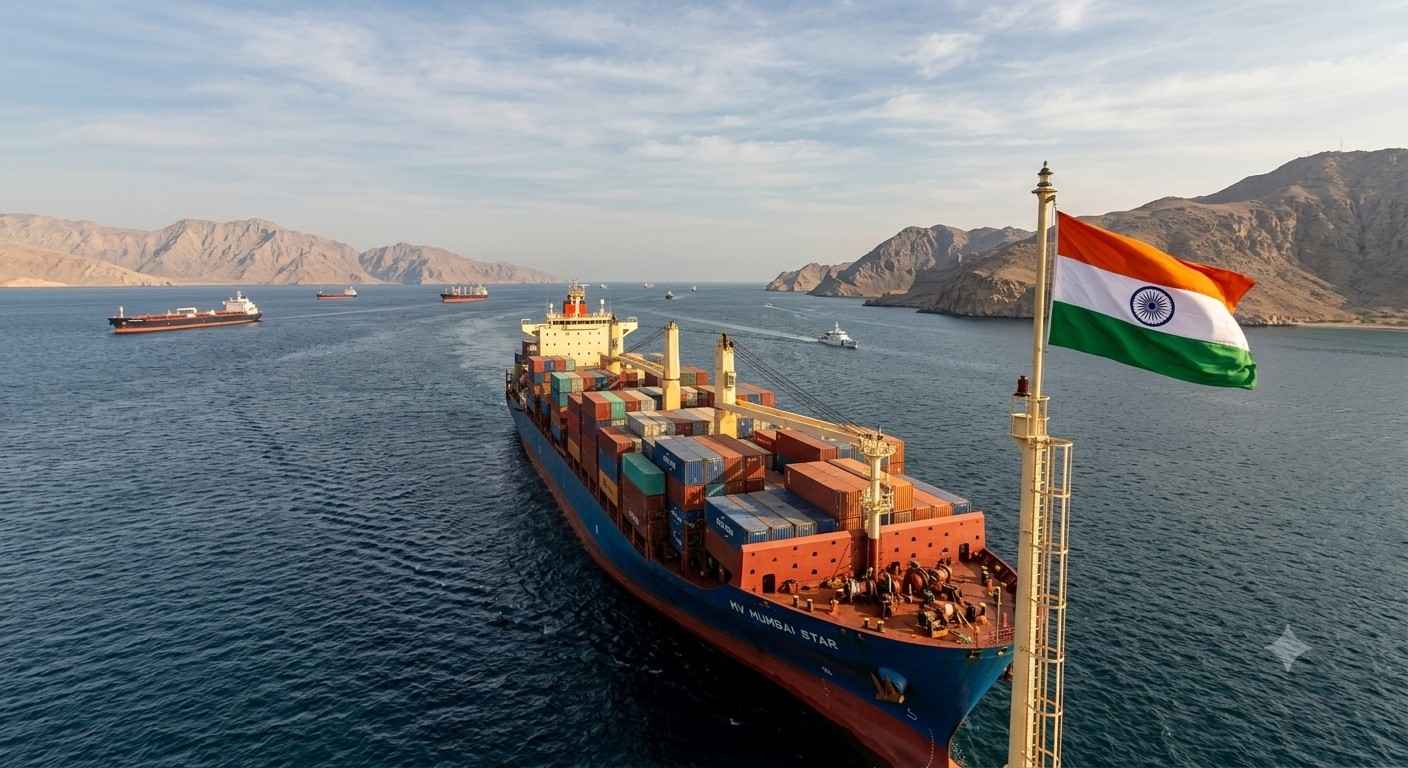
According to information shared by the Ministry of Ports, Shipping and Waterways and referenced in the Ministry of External Affairs’ correspondence, only six India-bound vessels remained pending Iranian clearance as of 29 June 2026.
This represents a significant operational update compared with the concerns highlighted in the original complaint, which referred to approximately 2,000 Indian seafarers affected by the evolving situation in the Persian Gulf. While the humanitarian concerns remain relevant, the official communication indicates that government agencies are actively monitoring vessel movements and diplomatic clearances.
Also Read: Three Merchant Vessel Attacks, Three Indian Seafarers Dead, 3,537 Repatriated
From Complaint to Coordinated Government Action
The documents reviewed by MaritimeNews illustrate a structured institutional response.
Following a complaint submitted by Hyderabad-based Advocate Yennam Balachander Reddy, the National Human Rights Commission directed the Ministry of External Affairs on 19 June 2026 to take appropriate action within eight weeks while associating the complainant and communicating the action taken.
Subsequently, on 22 June, the Deputy Secretary (Gulf) circulated the NHRC’s order to the relevant authorities within the Ministry and the Ministry of Ports, Shipping and Waterways for necessary action.
The latest communication dated 6 July confirms that the matter had been referred to the PAI Division, which is maintaining diplomatic engagement with the Iranian authorities concerning the remaining India-bound vessels awaiting clearance.
The sequence demonstrates how concerns raised through a human rights mechanism evolved into coordinated administrative and diplomatic action involving multiple government agencies.
Timeline of Institutional Response
The documents establish a clear sequence of actions taken by various Indian authorities.
- 8 April 2026: Advocate Yennam Balachander Reddy submitted a representation highlighting concerns regarding Indian seafarers affected by the regional situation.
- 19 June 2026: NHRC directed the Ministry of External Affairs to examine the matter and submit an Action Taken Report within eight weeks.
- 22 June 2026: The Deputy Secretary (Gulf), MEA, circulated the NHRC order to the relevant authorities for necessary action.
- 29 June 2026: The Ministry of Ports, Shipping and Waterways reported that six India-bound vessels were awaiting Iranian clearance.
- 6 July 2026: The Director (Gulf), MEA, confirmed that the PAI Division was pursuing the matter with the Iranian authorities.
The sequence reflects institutional coordination rather than isolated administrative action.
Also Read: US Forces Disable MT Marivex Near Oman; All 24 Indian Seafarers Rescued
Why This Matters for Indian Seafarers
India is one of the world’s largest suppliers of maritime manpower, with Indian seafarers serving aboard merchant vessels across virtually every major shipping route. During periods of geopolitical instability, protecting these professionals extends beyond labour welfare and enters the domains of diplomacy, crisis management and maritime governance.
The present case highlights the importance of timely coordination between the Ministry of External Affairs, the Ministry of Ports, Shipping and Waterways and other agencies responsible for safeguarding Indian nationals employed in international shipping.
Maritime Perspective
The significance of this case lies not only in the operational update but in the institutional response it demonstrates. Maritime emergencies involving Indian seafarers increasingly require coordination between diplomatic, maritime and regulatory authorities, particularly when vessels operate in geopolitically sensitive waters.
The current developments suggest that India possesses mechanisms capable of escalating concerns from individual representations to formal governmental action. As maritime trade continues to intersect with geopolitical risk, strengthening such coordination frameworks will become increasingly important for protecting Indian seafarers serving worldwide.
Editorial Verdict
The latest correspondence marks an important transition in this case—from a complaint highlighting humanitarian concerns to documented governmental action involving diplomatic engagement and inter-ministerial coordination. Although the situation remains under review until the remaining vessels receive the necessary clearances and the NHRC process concludes, the case offers an important example of how India’s institutions can respond collectively to maritime crises affecting its seafaring community.
Also Read: 24 Indian Seafarers Safe After Fire Breaks Out on Oil Tanker MT Marivex
Frequently Asked Questions (FAQ)
Why did MEA initiate diplomatic action?
Following NHRC directions, MEA referred the matter to the appropriate division to engage Iranian authorities regarding India-bound vessels.
How many India-bound vessels remain pending clearance?
Official communications indicate six vessels remained awaiting Iranian clearance as of 29 June 2026.
Why was NHRC involved?
The Commission acted on a representation concerning the safety and welfare of Indian seafarers affected by Gulf tensions.
Which government agencies are involved?
NHRC, Ministry of External Affairs and the Ministry of Ports, Shipping and Waterways.
Is the matter resolved?
No.
Diplomatic engagement continues and the NHRC proceedings remain ongoing.
Make us preferred source on Google
Source: National Human Rights Commission Order dated 29 June 2026 and complaint documents submitted before the Commission.
Reporting by MaritimeNews Bureaus, Writing by Jaspal Singh Naol