
JNPA launches NIVESH, an AI-powered treasury platform aimed at improving financial governance, efficiency and digital decision-making
Jawaharlal Nehru Port Authority (JNPA) has launched NIVESH, an Artificial Intelligence-powered Treasury Management Model designed to streamline treasury operations, reduce manual workload and enhance financial decision-making at India’s largest container port.
The launch marks an important shift in how Indian ports are approaching digital transformation. While most port digitalisation efforts have focused on cargo movement, logistics visibility and operational efficiency, JNPA is extending artificial intelligence into financial governance and treasury management.
The development suggests that the next phase of smart port evolution may not be limited to cranes, containers and cargo tracking. Increasingly, ports are beginning to apply AI to financial administration, investment management and internal governance functions that influence operational performance and long-term competitiveness.
As Indian ports pursue Maritime India Vision 2030 and Maritime Amrit Kaal Vision 2047, NIVESH could provide an early glimpse into how artificial intelligence may reshape financial management across the country’s maritime infrastructure ecosystem.
Key Takeaways
- JNPA has launched NIVESH, an AI-powered Treasury Management Model.
- The platform aims to reduce manual intervention in treasury operations.
- NIVESH is expected to improve efficiency and decision-making.
- JNPA is expanding AI adoption beyond cargo and logistics functions.
- The initiative forms part of the port’s broader digital transformation journey.
- AI is increasingly becoming a governance tool rather than merely an operational tool.
- The development could influence future digital strategies across Indian ports.
- Treasury management may become an important frontier for AI deployment in public infrastructure.
JNPA Launches NIVESH
JNPA marked another milestone in its digital transformation journey with the launch of NIVESH, an AI-powered Treasury Management Model designed to modernise financial operations and improve treasury efficiency.
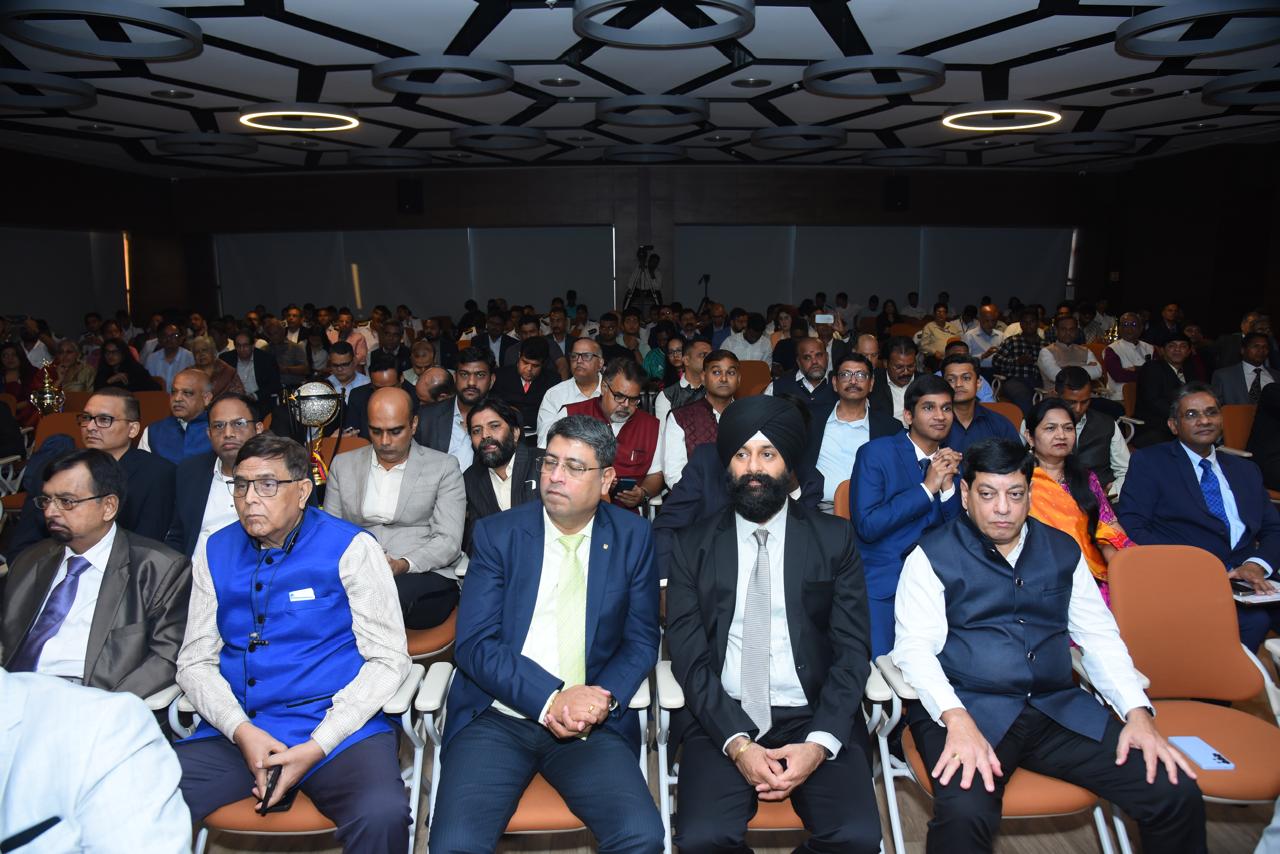
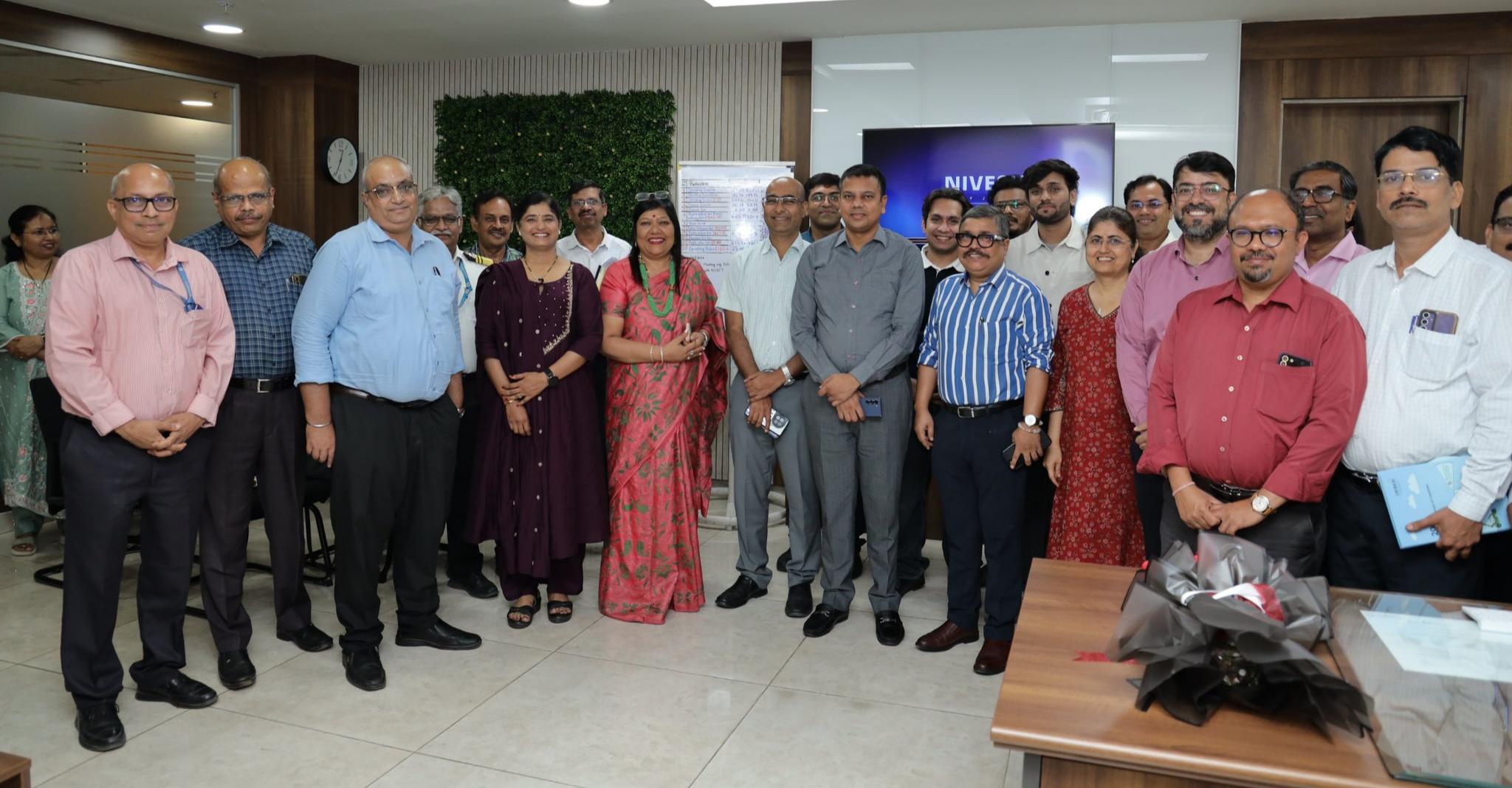
The platform was inaugurated by Gaurav Dayal, IAS, Chairperson of JNPA, in the presence of Ravish Kumar Singh, IRTS, Deputy Chairperson, Manoj Kumar, IRS, Chief Vigilance Officer, and senior officials of the port authority.
According to JNPA, NIVESH has been developed to streamline treasury processes, reduce manual workload and enable faster, smarter and more efficient financial management.
While the announcement may appear administrative in nature, it reflects a broader trend emerging across major infrastructure organisations where artificial intelligence is increasingly being integrated into core management functions.
Also Read: VOC Port Emerges as Model for Green Maritime Growth
Why Treasury Management Matters at Ports
Treasury management is one of the least visible yet most critical functions within a port authority.
Ports do not merely handle cargo and vessels. They also manage substantial financial resources linked to:
- Infrastructure development
- Capital expenditure programmes
- Operational expenditure
- Investments
- Revenue management
- Cash flow planning
Efficient treasury operations directly influence an organisation’s ability to deploy capital, manage liquidity and support future expansion projects.
For a major port such as JNPA, which serves as India’s largest container gateway, treasury management plays a significant role in supporting long-term infrastructure growth and operational sustainability.
Why Ports Are Digitising Treasury Operations
Traditional treasury management often relies on:
- Manual data processing
- Spreadsheet-based workflows
- Human-intensive reporting systems
- Multiple approval layers
AI-driven treasury platforms can potentially improve:
| Area | Potential Benefit |
|---|---|
| Data Processing | Faster analysis |
| Forecasting | Improved accuracy |
| Decision Support | Real-time insights |
| Reporting | Reduced manual workload |
| Governance | Better transparency |
| Risk Monitoring | Faster identification of anomalies |
The launch of NIVESH therefore represents more than a software deployment. It signals an attempt to modernise one of the most important administrative functions within a major port authority.
Beyond Cargo: The Rise of Digital Governance at Ports
Over the past decade, most discussions around smart ports have focused on operational technologies.
These include:
- Port Community Systems
- Digital documentation
- Container tracking
- Predictive maintenance
- Automated gates
- Smart logistics platforms
However, the next wave of digital transformation is increasingly moving into governance and administration.
From Operational AI to Administrative AI
The first generation of port digitalisation focused on improving cargo movement and vessel turnaround times.
The second generation is beginning to focus on:
- Financial governance
- Asset management
- Workforce planning
- Procurement systems
- Risk management
- Strategic decision support
NIVESH appears to be part of this second wave.
Rather than applying AI to cargo operations, JNPA is applying it to treasury management—an area that directly influences financial planning and resource allocation.
MaritimeNews Insight
The significance of NIVESH is not simply that JNPA has launched an AI platform.
The larger significance is that artificial intelligence is beginning to move from the operational edge of port management to its administrative core.
This transition could ultimately prove as transformative as earlier waves of digitalisation that reshaped cargo handling and logistics operations.
JNPA’s Digital Transformation Journey
The launch of NIVESH is unlikely to be viewed as an isolated initiative.
Over the years, JNPA has consistently positioned itself among India’s leading ports in adopting technology-driven solutions aimed at improving efficiency, transparency and service delivery.
As India’s premier container gateway, JNPA operates within a highly competitive logistics environment where digitalisation increasingly influences performance, customer experience and competitiveness.
The introduction of AI-powered treasury management therefore aligns with a broader organisational strategy focused on:
- Digital governance
- Process optimisation
- Data-driven decision-making
- Future-ready infrastructure
The key question now is whether NIVESH becomes a standalone solution or the foundation for wider AI adoption across administrative, financial and operational functions within India’s port ecosystem.
How AI Is Moving Into Port Finance
Artificial Intelligence has already begun transforming several areas of the maritime industry, from predictive maintenance and vessel traffic management to cargo forecasting and supply chain optimisation.
However, financial administration remains one of the least explored frontiers for AI deployment within port authorities.
The launch of NIVESH suggests that JNPA is attempting to bridge that gap.
Traditionally, treasury management relies heavily on historical data analysis, cash flow monitoring, investment planning, risk assessment and financial reporting. These functions often involve multiple datasets, manual reviews and repetitive workflows that can consume significant administrative resources.
Where AI Can Potentially Improve Treasury Operations
| Treasury Function | Potential AI Contribution |
|---|---|
| Cash Flow Monitoring | Real-time analysis |
| Investment Planning | Scenario modelling |
| Financial Forecasting | Improved projections |
| Reporting | Automation |
| Risk Monitoring | Early anomaly detection |
| Decision Support | Faster insights |
While JNPA has not publicly disclosed the technical architecture or capabilities of NIVESH, the platform’s stated objective of reducing manual workload and improving operational efficiency indicates that treasury management is becoming part of the broader AI adoption journey within Indian ports.
MaritimeNews Insight
The first wave of port digitalisation focused on moving cargo more efficiently.
The next wave may focus on moving information more intelligently.
NIVESH represents an early example of how AI is beginning to influence decision-making rather than merely operational execution.
Global Smart Port Trends and Comparisons
Around the world, leading ports are increasingly integrating artificial intelligence into their operations.
Major international ports have adopted AI-driven solutions for:
- Vessel traffic optimisation
- Predictive maintenance
- Yard planning
- Energy management
- Digital twins
- Security monitoring
However, AI adoption within treasury and financial governance remains relatively uncommon.
Global Smart Port Evolution
| Generation | Focus Area |
|---|---|
| Port 1.0 | Physical Infrastructure |
| Port 2.0 | Automation |
| Port 3.0 | Digitalisation |
| Port 4.0 | AI & Data Intelligence |
| Emerging Port 5.0 | AI-Driven Governance |
If operational AI represented the defining characteristic of Port 4.0, governance AI could become one of the defining features of the next generation of smart ports.
Why This Matters
As ports become increasingly complex infrastructure ecosystems, financial governance, capital allocation and investment management become as important as cargo handling efficiency.
Ports that can make faster and more informed decisions may gain advantages in:
- Capital deployment
- Project execution
- Financial performance
- Stakeholder confidence
This places NIVESH within a larger global trend toward intelligent infrastructure management.
Economic Impact and Financial Efficiency
At first glance, treasury management may appear disconnected from port operations.
In reality, treasury efficiency influences a port’s ability to finance expansion, manage liquidity and support long-term development programmes.
For an infrastructure organisation responsible for major investments, even modest improvements in treasury efficiency can produce meaningful outcomes.
Potential Areas of Economic Impact
| Area | Potential Benefit |
|---|---|
| Financial Planning | Faster decisions |
| Cash Utilisation | Better allocation |
| Administrative Costs | Reduced manual effort |
| Reporting Efficiency | Faster turnaround |
| Governance | Improved transparency |
| Risk Management | Enhanced monitoring |
While JNPA has not disclosed projected savings or return-on-investment figures associated with NIVESH, the broader objective appears clear: improve decision quality while reducing process complexity.
The Bigger Economic Question
The long-term value of AI-powered treasury management will ultimately be measured not by technology deployment but by measurable improvements in:
- Efficiency
- Governance
- Financial outcomes
- Resource utilisation
This will be the benchmark against which NIVESH is judged in the coming years.
Also Read: The Growing Conflict Over Vadhvan Port
Geography and Trade Corridor Intelligence
Primary Geography
Navi Mumbai, Maharashtra
As India’s largest container port, JNPA serves as one of the country’s most important maritime gateways.
Secondary Geography
Maharashtra
The port plays a central role in supporting industrial and logistics activity across western India.
National Geography
India
JNPA remains a critical component of India’s port-led development strategy and logistics modernisation efforts.
Regional Geography
West Coast Maritime Ecosystem
The port is integrated into a wider network of logistics corridors, industrial clusters and transport infrastructure serving western and central India.
Global Geography
International Container Trade Network
JNPA connects Indian trade with major global shipping routes spanning Asia, Europe, the Middle East and Africa.
Trade Corridor Intelligence
| Corridor Type | Strategic Relevance |
|---|---|
| JNPA Hinterland Corridor | Primary |
| Western India Logistics Corridor | Secondary |
| Dedicated Freight Corridor Ecosystem | Strategic |
| India-Europe Maritime Trade Route | Global |
| India-Middle East Trade Network | Global |
Why This Matters
As cargo volumes, trade flows and infrastructure investments continue to grow, the quality of financial governance becomes increasingly important.
Digital treasury management therefore supports not only administrative efficiency but also the broader logistics and trade ecosystem linked to JNPA.
Also Read: JNPA’s Industrial Expansion Plan Raises Questions Over Navi Mumbai’s Port Region
Stakeholder Impact Matrix
Who Benefits?
| Stakeholder | Potential Benefit |
|---|---|
| Finance Teams | Reduced manual workload |
| Treasury Managers | Faster decision support |
| Port Management | Better financial visibility |
| Government Stakeholders | Improved governance |
| Auditors | Greater transparency |
| Port Users | Indirect efficiency gains |
Who Is Impacted?
| Stakeholder | Impact |
|---|---|
| Manual Treasury Processes | Reduced dependence |
| Legacy Systems | Pressure to modernise |
| Administrative Workflows | Increased automation |
What Must Stakeholders Do?
| Stakeholder Group | Recommended Action |
|---|---|
| Finance Teams | Develop AI literacy |
| Treasury Officers | Strengthen data-driven decision-making |
| Port Administrators | Integrate digital governance tools |
| Other Ports | Evaluate replication opportunities |
MaritimeNews Stakeholder Assessment
NIVESH may appear to be a finance-focused initiative, but its implications extend across governance, decision-making and digital transformation.
If successful, the model could influence how other major ports approach treasury management and administrative modernisation in the years ahead.
MaritimeNews Stakeholder Impact Pyramid
The impact of NIVESH extends beyond treasury departments. If successfully implemented, AI-powered financial governance could influence decision-making across multiple layers of the port ecosystem.
Grassroots Stakeholders
Who: Administrative staff, finance assistants, support personnel
Potential Benefit:
Reduction in repetitive manual processes and reporting tasks.
Potential Risk:
Need for reskilling as routine activities become increasingly automated.
Preparedness Required:
Digital literacy and AI-assisted workflow training.
Operational Stakeholders
Who: Treasury teams, finance departments, internal auditors
Potential Benefit:
Faster access to information, improved monitoring and reduced administrative burden.
Potential Risk:
Dependence on data quality and system reliability.
Preparedness Required:
Integration of AI-generated insights into daily decision-making.
Professional Stakeholders
Who: Chartered accountants, treasury managers, risk professionals
Potential Benefit:
Enhanced analytical capabilities and improved forecasting.
Potential Risk:
Over-reliance on automated recommendations.
Preparedness Required:
Maintaining professional oversight alongside AI-enabled tools.
Business Stakeholders
Who: Contractors, vendors, financial institutions, logistics ecosystem participants
Potential Benefit:
Improved financial responsiveness and administrative efficiency.
Potential Risk:
Transition challenges during system adoption.
Preparedness Required:
Alignment with digital governance frameworks.
Industry Leaders
Who: Major Port Authorities, State Maritime Boards, logistics infrastructure organisations
Potential Benefit:
A potential model for treasury modernisation.
Potential Risk:
Technology adoption without adequate governance structures.
Preparedness Required:
Evaluation of scalability and replication potential.
Strategic Investors and Policymakers
Who: Infrastructure analysts, policymakers, maritime planners
Potential Benefit:
Improved transparency and stronger institutional governance.
Potential Risk:
Unrealistic expectations regarding AI-driven transformation.
Preparedness Required:
Focus on measurable outcomes rather than technology adoption alone.
MaritimeNews Pyramid Verdict
The success of NIVESH will not be measured solely by treasury efficiency. Its broader significance lies in whether it demonstrates that AI can improve governance across complex public infrastructure institutions.
Also Read: JNPA’s Floating Waste and Oil Spill Under Scrutiny
Capital Markets and Infrastructure Implications
JNPA is not a listed company, and NIVESH is unlikely to have a direct impact on equity markets.
However, the initiative reflects a broader trend that investors are increasingly monitoring across infrastructure sectors: the digitalisation of governance and financial management.
Historically, technology investments in ports focused on cargo handling, logistics optimisation and operational efficiency.
The emergence of AI-driven financial governance expands the digital transformation narrative into administrative and strategic functions.
Potential Beneficiary Segments
| Sector | Potential Relevance |
|---|---|
| Port Technology Providers | High |
| AI Solution Developers | High |
| Digital Infrastructure Firms | Medium |
| Smart Governance Platforms | High |
| Enterprise Software Providers | Medium |
| Maritime Technology Ecosystem | High |
Investor Watchlist
Key indicators investors and industry observers may monitor include:
- Measurable efficiency improvements from NIVESH.
- Expansion of AI initiatives across JNPA.
- Replication by other major ports.
- Integration with wider digital governance programmes.
- Development of AI-enabled public infrastructure models.
MaritimeNews Capital Markets Verdict
While NIVESH may not move markets directly, it strengthens the investment narrative surrounding digital infrastructure, AI-enabled governance and technology-driven public sector transformation.
Alternative Perspectives and Risks
The launch of NIVESH represents an important step in digital transformation.
However, AI deployment in financial management also raises legitimate questions.
Key Questions
- Can AI consistently improve treasury decision-making?
- How will system recommendations be validated?
- What governance mechanisms will oversee AI outputs?
- How will sensitive financial data be protected?
Key Risks
| Risk Area | Potential Concern |
|---|---|
| Data Quality | Poor inputs may affect outputs |
| Cybersecurity | Financial systems remain attractive targets |
| Governance | Need for human oversight |
| Change Management | Staff adaptation challenges |
| Technology Dependence | Excessive reliance on automation |
International Experience
Globally, organisations adopting AI in governance functions have generally found that technology delivers the greatest value when used to augment human expertise rather than replace it.
MaritimeNews Perspective
NIVESH should be viewed as a decision-support tool rather than a decision-making substitute.
The long-term success of AI in treasury management will depend on how effectively human judgement and machine intelligence work together.
Transparency and Evidence Check
Confirmed Facts
JNPA has officially announced:
- Launch of NIVESH, an AI-powered Treasury Management Model.
- Objective of reducing manual workload.
- Objective of improving operational efficiency.
- Objective of enabling faster and smarter treasury management.
The platform was inaugurated by JNPA Chairperson Gaurav Dayal in the presence of senior officials.
What Is Not Yet Known
The following details have not been publicly disclosed:
- Technology architecture.
- Development partner.
- Investment cost.
- Expected financial savings.
- Return-on-investment projections.
- Timeline for performance evaluation.
MaritimeNews Analysis
The assessment that NIVESH represents a shift toward AI-enabled financial governance is an editorial interpretation based on the stated objectives of the platform and broader digital transformation trends within infrastructure sectors.
Transparency Note
Future evaluations of NIVESH should focus on measurable outcomes rather than launch announcements alone.
Operational results will ultimately determine the platform’s effectiveness.
What Happens Next?
The launch of NIVESH marks the beginning rather than the conclusion of JNPA’s AI journey.
Several developments are likely to be monitored over the coming years.
Key Indicators to Watch
Operational Performance
Can NIVESH deliver measurable reductions in processing time and administrative workload?
Financial Outcomes
Can treasury efficiency improvements generate demonstrable value?
Governance Improvements
Can AI enhance transparency, accountability and decision quality?
Wider Adoption
Will other major ports explore similar treasury management models?
Expansion of AI Applications
Could AI eventually support:
- Procurement management
- Asset management
- Budget planning
- Risk monitoring
- Strategic forecasting
Strategic Question
The most important question may not be whether NIVESH succeeds.
The more important question is whether it becomes the first step toward AI-enabled governance becoming standard practice across India’s maritime infrastructure ecosystem.
MaritimeNews Forward View
If the platform demonstrates measurable value, NIVESH could become one of the earliest examples of how artificial intelligence moves beyond operational efficiency and begins influencing governance, finance and strategic decision-making within Indian ports.
MaritimeNews Insight
The launch of NIVESH highlights an important shift in how ports may evolve during the next phase of digital transformation.
For years, smart port initiatives focused on operational efficiency—moving cargo faster, reducing vessel turnaround time and improving logistics visibility.
JNPA’s latest initiative suggests that the next frontier may lie inside the boardroom rather than on the quay.
Artificial Intelligence is beginning to move beyond cranes, containers and cargo management into areas traditionally associated with governance, finance and strategic planning.
The Bigger Trend
The ports that lead the next generation of maritime infrastructure may not necessarily be those with the largest terminals or deepest drafts.
They may increasingly be those capable of combining:
- Physical infrastructure
- Financial intelligence
- Data governance
- Artificial Intelligence
- Institutional efficiency
into a single operating model.
MaritimeNews Strategic Observation
NIVESH may appear to be a treasury tool today.
However, its longer-term significance lies in the possibility that AI could become an institutional layer embedded across multiple functions of port administration.
If that occurs, the launch of NIVESH may eventually be viewed as an early milestone in the evolution of AI-governed maritime infrastructure.
MaritimeNews Critique
While NIVESH represents a progressive step toward digital governance, important questions remain unanswered.
The current announcement focuses primarily on the launch of the platform rather than measurable outcomes.
Several critical factors remain unknown:
- Expected efficiency gains.
- Project investment value.
- Return on investment.
- Processing time reduction targets.
- Financial governance benchmarks.
Without these metrics, stakeholders will find it difficult to evaluate whether the platform delivers meaningful value or simply digitises existing processes.
Replication Challenge
The true test of NIVESH is not whether it functions within JNPA.
The real test is whether:
- Other major ports adopt similar systems.
- Treasury management becomes demonstrably more efficient.
- AI improves governance outcomes.
- Public sector financial management becomes more transparent.
Technology launches generate headlines.
Institutional transformation generates lasting impact.
JNPA now faces the challenge of proving the latter.
Risk Assessment
The launch of NIVESH introduces opportunities but also new forms of institutional risk.
Technology Risks
- System reliability concerns.
- Software integration challenges.
- Dependence on digital infrastructure.
Data Risks
- Data accuracy issues.
- Incomplete financial datasets.
- Information governance challenges.
Cybersecurity Risks
Treasury systems are among the most sensitive digital assets within any organisation.
Potential risks include:
- Cyber attacks.
- Data breaches.
- Unauthorized access.
- Financial manipulation attempts.
Governance Risks
AI-generated recommendations must remain subject to human oversight.
Potential concerns include:
- Automation bias.
- Excessive reliance on algorithms.
- Reduced independent review.
Change Management Risks
Successful implementation requires:
- Employee adoption.
- Training programmes.
- Cultural adaptation.
Technology alone does not guarantee transformation.
MaritimeNews Risk Verdict
The greatest risk is not technological failure.
The greatest risk is assuming that AI implementation automatically translates into better governance.
The value of NIVESH will ultimately depend on how effectively people, processes and technology are integrated.
Opportunity Assessment
Despite the risks, NIVESH opens multiple opportunities for JNPA and the wider maritime sector.
Operational Opportunities
- Faster treasury workflows.
- Reduced administrative burden.
- Better reporting efficiency.
- Improved financial visibility.
Governance Opportunities
- Enhanced transparency.
- Stronger audit readiness.
- Better decision support.
- Improved compliance monitoring.
Industry Opportunities
If successful, NIVESH could become a template for:
- Major Port Authorities.
- State Maritime Boards.
- Logistics Infrastructure Agencies.
- Industrial Development Authorities.
National Opportunities
The initiative aligns with broader objectives including:
- Digital India.
- Maritime India Vision 2030.
- Maritime Amrit Kaal Vision 2047.
- AI-led governance initiatives.
MaritimeNews Opportunity Verdict
The long-term opportunity is not limited to treasury management.
It lies in creating a framework through which AI can support institutional governance across India’s maritime ecosystem.
Also Read: Critical Minerals Race Reshaping Global Shipping, Ports and Trade Corridors
2047 Outlook
2030 Outlook
AI-assisted treasury management becomes increasingly common among major Indian ports.
Digital governance evolves into a core component of port administration.
2035 Outlook
AI systems begin supporting:
- Procurement planning.
- Budget forecasting.
- Infrastructure investment analysis.
- Enterprise risk management.
2040 Outlook
Integrated governance platforms combine:
- Finance.
- Operations.
- Asset management.
- Sustainability reporting.
into a unified decision-support ecosystem.
2047 Outlook
Indian ports evolve into intelligent infrastructure platforms where Artificial Intelligence supports decision-making across every major administrative and operational function.
Cargo movement, financial governance, environmental compliance, asset management and strategic planning become increasingly interconnected through data-driven systems.
Under this scenario, initiatives such as NIVESH may be remembered as some of the earliest steps toward AI-enabled maritime governance in India.
MaritimeNews Verdict
JNPA’s launch of NIVESH is more than a technology announcement.
It represents an attempt to apply Artificial Intelligence to one of the most critical yet least visible functions within a port authority—treasury management.
The initiative expands the definition of digital transformation beyond cargo operations and introduces the possibility that future port competitiveness may depend not only on physical infrastructure but also on the quality of digital governance.
Whether NIVESH becomes a landmark innovation or a limited pilot project will depend on measurable outcomes in the years ahead.
However, one conclusion is already clear.
Artificial Intelligence is no longer confined to operational efficiency.
It is beginning to influence how ports govern, plan, allocate capital and make decisions.
That may prove to be the most significant development of all.
Make us preferred source on Google
Source: JNPA, Navi Mumbai
Reporting Basis: JNPA and MaritimeNews Analysis
Reporting by MaritimeNews Bureaus, Writing by Harpal S Naol; Editing by Jaspal Singh Naol.